Educational blog article | probatefaq.com | October 10, 2026
By Marc Cormier | Berkshire Hathaway HomeServices PenFed Realty
Can Children Keep, Rent, or Sell Your 55+ Home?
By Marc Cormier
Last reviewed: October 10, 2026
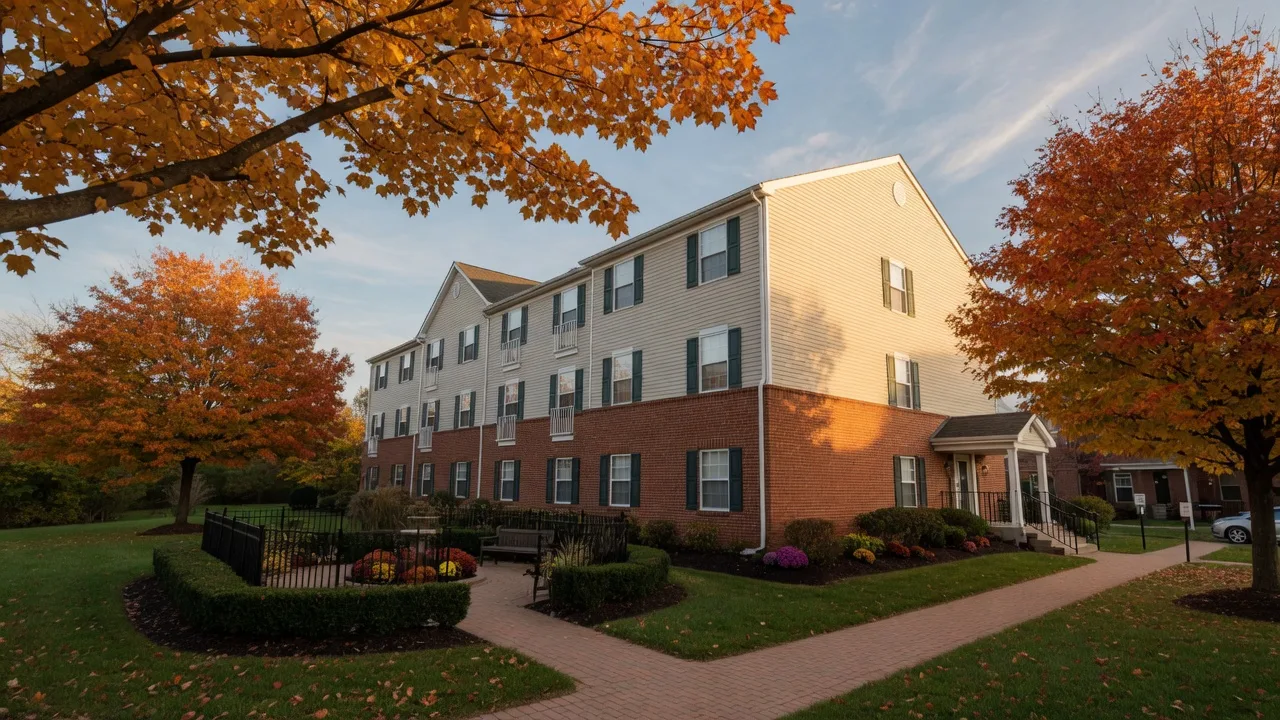
Inheriting ownership of a home in an age-restricted community does not necessarily give the heir the right to live there. Families should understand the occupancy rules, estate authority, rental limits, taxes, and financing restrictions before choosing what to do.
Can an adult child under age 55 inherit the property?
Generally yes: inheritance of ownership is separate from permission to occupy. Federal Housing for Older Persons Act rules permit qualifying 55+ communities if at least 80% of occupied units have at least one resident 55 or older, along with other requirements. This is not an automatic right for younger people to occupy 20% of the units. Communities can have stricter policies consistent with applicable law.
For example, a 48-year-old daughter could inherit title from her mother, but whether she may live there depends on the community documents and governing law. Obtain the declaration, bylaws, occupancy rules, and any current resale or transfer requirements before making plans.
Can the family rent the unit?
Rental rights are not uniform. A community may regulate tenant age, lease duration, board approval, registration, and number of rental units. A family should get written guidance from the association before advertising or signing a lease.
Even where renting is permitted, the budget matters: an illustrative $1,700 rent minus a $927 community fee and $230 tax leaves $543 before insurance, vacancies, repairs, property management, mortgage payments, or other costs. A single expense can turn a modest cash-flow estimate negative.
Who has authority to sell an estate property?
When a deceased person owned a Maryland property individually, probate may be required. The court-appointed personal representative administers estate assets, subject to governing documents and law. Different rules can apply to property passing through a trust, survivorship ownership, or other arrangements. Consult an estate attorney before signing a sale agreement or distributing proceeds.
Does Maryland charge inheritance tax?
Many close relatives, including spouses, children, parents, siblings, and other listed family members, are generally exempt from Maryland inheritance tax. Other recipients, such as nieces, nephews, cousins, and friends, may owe 10% of the taxable value transferred, subject to exceptions. A $250,000 taxable inheritance could therefore produce $25,000 of inheritance tax, but the taxable base is not automatically the listing price. Separate Maryland estate-tax rules may also matter.
Why an interested buyer may still fail to get a mortgage
The buyer's age alone cannot justify mortgage discrimination. Retirement income is allowed, yet documenting Social Security, pensions, investment income, and retirement-account draws can take care. Large monthly association fees count toward housing expenses and can raise the borrower's debt-to-income ratio.
Lenders also evaluate condominium project eligibility. Insurance deficiencies, major unresolved repairs, or program rules may restrict conventional or FHA financing even for a buyer whose income and credit are adequate. Sellers should verify project loan options before accepting an offer that depends on financing.
Does paying cash make the property a good investment?
Not necessarily. For some retirees, putting a large share of retirement money into a property could reduce cash available for emergencies or long-term care. Other retirees may benefit from avoiding mortgage interest. Financial advisers do not apply one universal answer; the choice depends on the buyer's overall plan.
What does it cost the estate while everyone decides?
Community assessments, insurance, taxes, utilities, mortgage payments, maintenance, and emergency repairs may continue through estate administration. Personal representatives should protect the asset, understand available estate cash, and work with professional advisers. Inheriting property does not automatically make an heir personally responsible for every debt of the deceased.
Documents heirs should find immediately
- Deed, mortgage payoff information, and estate or trust papers.
- Community declaration, rules, age/occupancy policy, and rental policy.
- Current fee statements, reserves or special assessments, insurance information, and resale packet.
- Property tax and utility bills, maintenance records, and any major repair reports.
- Contact details for the estate attorney, association manager, and insurance carrier.
Make the choice with real numbers
Compare three practical choices: keep the home for an eligible occupant, rent if permitted and financially sound, or sell it. For a sale, examine as-is versus prepared-market net proceeds, not merely the advertised price. Obtain local legal and tax advice for estate and inheritance questions.
Contact Marc Cormier
Berkshire Hathaway HomeServices PenFed Realty | Office: (301) 660-6272 ext. 711 | Marc@Help34.com | www.Help34.com
Educational real estate information only; not legal, mortgage, tax, investment, or financial advice. Seek qualified local professionals for individual decisions.
Sources and verification notes
Local market numbers: supplied Bright MLS summary covering Montgomery County 55+ community closed sales, January 2023–October 2026. Original transaction export not independently verified; community-fee data cover 283 of 1,600 reported sales. All financing examples use hypothetical assumptions, not a current lender quote.
- Fannie Mae Selling Guide: Debt-to-Income Ratios — https://selling-guide.fanniemae.com/sel/b3-6-02/debt-income-ratios
- Fannie Mae Selling Guide: Annuity, Pension, or Retirement Income — https://selling-guide.fanniemae.com/sel/b3-3.4-03/annuity-pension-or-retirement-income
- Fannie Mae Selling Guide: Ineligible Projects — https://selling-guide.fanniemae.com/sel/b4-2.1-03/ineligible-projects
- Maryland Register of Wills — https://registers.maryland.gov/Main/taxes.html
- HUD: Housing for Older Persons Act (HOPA) guidance — https://www.hud.gov/sites/documents/DOC_7769.pdf
probatefaq.com • Maryland 55+ Homeowner Education