How Probate Works
August 1, 2026 · Marc Cormier
Can You Sell a House Before Probate Is Finished in Maryland?
By Marc Cormier
Last reviewed: September 28, 2026
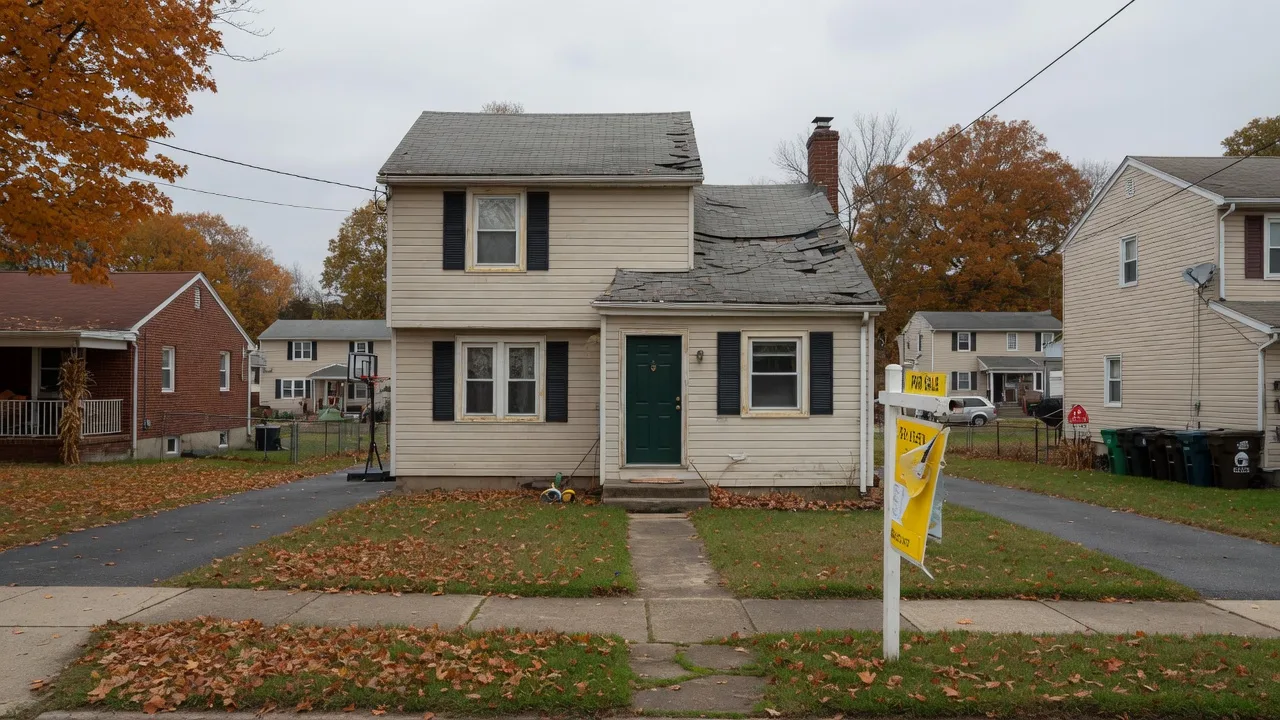
Yes, in most cases. In Maryland, a house in probate can generally be sold before the entire probate estate is finished, as long as the Personal Representative has been properly appointed and holds the legal authority to act for the estate. That authority comes from Letters of Administration (when there is no will or no executor is named) or Letters Testamentary (when a will names an executor, the Personal Representative in Maryland). These court-issued letters prove who may sign for the estate, and title companies will not close a sale without them. Not every situation is identical: restrictions in the will, title or ownership issues, court orders, and unusual estate circumstances can change the answer, and disputes should be reviewed with a probate attorney.
Legal Note
This page provides educational real estate information, not legal advice. Questions about estate authority, disputes, title, or court requirements should be directed to a Maryland probate attorney.
The Maryland Rule: Estates and Trusts Section 7-401
The primary Maryland authority is Estates and Trusts Section 7-401, which sets out the powers and authority of a personal representative. Under the statute, the Personal Representative "may exercise the power or authority conferred by statute or by the will without application to, approval of, or ratification by the court, except as validly limited by the will or by an order of court," and may sell, purchase, or otherwise deal with estate property.
In plain English: once appointed, the Personal Representative does not need to ask the court for permission to sell the house in most Maryland estates. The limitation matters, though. If the will restricts the sale, or a court order limits the Personal Representative's powers, the sale may need court approval or a different procedure. Your probate attorney is the person to confirm which rule applies to your estate.
The Personal Representative Is the Decision Maker
Once appointed by the Maryland Register of Wills, the Personal Representative has the legal authority to manage estate property. That includes: maintaining the property, paying expenses, hiring professionals, listing the home for sale, negotiating offers, and completing the sale when legally authorized. The heirs generally do not sign the sales contract unless they also hold an ownership interest in the property outside the estate.
In practical terms, the Letters of Administration or Letters Testamentary are the Personal Representative's proof of appointment. Until they are issued, the estate cannot legally list or contract to sell the house; once they are issued, the Personal Representative can act for the estate through the rest of the process. Not sure what the role involves? See what a Personal Representative does in Maryland.
Do You Have to Wait Until Probate Is Completely Finished?
No, generally not. The sale does not have to wait until the entire probate estate is closed. What is required is that the Personal Representative has been appointed and holds the Letters. Once the letters are issued, the estate can list the house, negotiate the sale, and close while the rest of the probate administration continues: creditor claims are being handled, the inventory is being prepared, and accounts are being kept. The home sale and the rest of the probate case run on parallel tracks.
For a deeper, step-by-step walkthrough of the sale, see the Executor's Guide to Selling Probate Property in Maryland.
Do Heirs Have to Wait for Final Distribution?
Heirs and beneficiaries do not have to wait for the estate to fully close to know the house is being sold. The house can close while probate is still open. What the heirs wait for is the money: the net proceeds belong to the estate, and their shares are distributed through the estate administration after debts, taxes, and expenses are paid.
Who Signs the Contract and the Deed?
For estate property, the Personal Representative signs the real estate documents for the estate, including the listing agreement, the sales contract, and the deed at closing, in a fiduciary capacity. Heirs generally do not sign these documents unless they also hold a personal ownership interest in the property outside the estate.
Where Does the Sale Money Go?
The proceeds of a probate sale belong to the estate, not to any single heir. They go into the estate account and are used to pay estate debts, taxes, liens, and the costs of administration; whatever remains is then distributed to the heirs or beneficiaries according to the will or Maryland's intestacy rules. That is also why selling the house does not necessarily mean probate itself is finished: probate ends only when debts and claims are resolved and the court closes the estate, typically after a final accounting.
To estimate what the estate may pay along the way, use the Probate Cost Calculator.
Why Families Sell During Probate
Selling the home often helps the estate by: paying creditors, stopping monthly carrying costs, avoiding deferred maintenance, reducing insurance risks, and making it easier to divide the inheritance. For many estates, selling the property is the most practical solution.
Can the Home Be Listed Immediately?
Often, yes. In many situations, the property can be prepared for sale while other probate work is taking place. This saves valuable time. Instead of waiting months, many Personal Representatives begin: cleaning out the property, completing repairs, staging, photography, pricing, and marketing before the estate is ready to close.
When Does the Court Get Involved?
Under Section 7-401, the Personal Representative may sell estate property without applying to the court for approval, unless the will or a court order limits that power. Court involvement can still arise in specific situations: a will that restricts the sale, a sale to the Personal Representative or a close family member, a dispute among heirs, title or ownership questions, or an estate under regular, court-supervised administration in which the court requires approval. When any of these apply, review the requirements with the estate attorney before the sale moves forward.
When Can the House Usually Be Sold? A Quick Reference
| Situation | Can the House Usually Be Sold? | What Is Needed? |
|---|---|---|
| Probate not opened yet | No | Open the probate case and petition to have the Personal Representative appointed; wait until the Letters are issued. |
| PR appointed, Letters issued | Yes, generally | Letters of Administration or Letters Testamentary. Under Estates and Trusts Section 7-401, no court approval of the sale is needed unless the will or a court order limits the PR's power. |
| Probate still open | Yes, in most cases | The PR is appointed and holds the Letters; the sale may list and close while the rest of the estate administration continues. |
| Heirs disagree | Generally yes | Consent of every heir is not required, but disagreements can slow or complicate the sale, and disputes may warrant legal guidance. |
| Will contains restrictions | Depends | Review the will; the sale may need court approval or must follow a procedure the will sets out. |
| Court involvement required by circumstances | Depends | A court order may be needed, for example in court-supervised administration or a disputed sale. |
| Property already transferred out of the estate | No | The house is no longer an estate asset; it is the heirs' or beneficiaries' property, and they control its sale. |
This table is a practical summary, not legal advice. Every estate is different; confirm the requirements for your situation with a Maryland probate attorney.
Practical Real Estate Steps Once the PR Has Authority
Once the Letters are in hand, the practical real estate work can begin. These are real estate matters; the legal questions above stay with the probate attorney. A typical Maryland estate sale works through these steps:
- Determine the property's condition. Walk the house, note deferred maintenance, safety issues, and what it would take to make it marketable.
- Secure a vacant property. Change or rekey locks, make sure utilities stay on, and arrange vacant-home insurance. An empty house is at higher risk of vandalism, theft, and water damage.
- Get the property valued. A date-of-death appraisal supports the estate inventory and stepped-up basis, while a current market value opinion sets the listing price.
- Clean out the home. Personal property is sorted and distributed, donated, or disposed of according to the estate's rules, which frees the house for market.
- Repairs versus as-is. Compare the likely net proceeds of selling as-is against the cost and return of targeted repairs. The estate should not over-improve.
- Prepare for market. Paint, flooring, landscaping, staging, and professional photography give buyers a reason to compete.
- List and negotiate. Put the house on the open market, review offers with the estate attorney, and compare cash offers against likely listing proceeds.
- Close the sale. The title company coordinates settlement, the Personal Representative signs for the estate, and the net proceeds return to the estate account.
For a fuller comparison of your selling options, see the best way to sell inherited property in Maryland.
Should You Sell As-Is or Make Repairs?
This is one of the most important financial decisions. Sometimes selling as-is makes sense. Other times, spending money on repairs produces a much higher net return. Examples include: interior paint, flooring, landscaping, minor kitchen updates, cleaning, and professional staging. The right answer depends on: current market conditions, property condition, neighborhood, repair costs, and expected return.
Don't Forget Vacant Home Insurance
Many inherited homes become vacant. This creates a major insurance issue. Standard homeowner policies often limit or exclude coverage after a home has been vacant for a certain period. The Personal Representative should contact the insurance company immediately to determine whether vacant property coverage is needed. Ignoring this step could expose the estate to significant financial risk if a loss occurs.
What If One Heir Doesn't Want to Sell?
This is common. The Personal Representative has a fiduciary duty to act in the best interests of the estate, not to satisfy every heir's personal preference. Disagreements should be addressed early with the estate's attorney to avoid unnecessary delays. For a closer look, see what happens when heirs disagree about selling the house in Maryland.
How We Help Maryland Personal Representatives
Selling a probate home involves much more than putting a sign in the yard. Our team coordinates: property valuation, clean-outs, repairs, contractors, professional staging, photography, marketing, multiple cash offers, traditional MLS exposure, and coordination with the probate attorney and title company. Our goal is simple: help the estate sell for the highest possible price while making the process as easy as possible for the Personal Representative.
If you need a quick baseline on the property's value for the estate, get an instant offer to compare against traditional listing options.
Frequently Asked Questions
Can you sell a house during probate in Maryland?
Yes, in most cases. Once the Personal Representative is appointed and holds Letters of Administration or Letters Testamentary, the estate generally has the authority to list and close the sale while probate is still open.
Can an executor sell a house before probate is finished in Maryland?
Yes, generally. Once the executor (called the Personal Representative in Maryland) is appointed and the Letters are issued, the estate can sell the house before the entire probate estate is finished, unless the will or a court order limits that power.
Does the Personal Representative need to wait until probate closes?
No. The house can be listed and closed while probate is still open. Probate continues until debts and claims are resolved and the estate is closed.
Who signs the contract and deed?
The Personal Representative signs the real estate documents for the estate, including the sales contract and the deed at closing. Heirs generally do not sign unless they hold a personal ownership interest in the property.
Do all heirs have to agree?
Generally no. Maryland law does not require every heir's consent to sell estate property, but disagreements can slow the process and may warrant legal guidance.
Where does the money from the sale go?
Into the estate. The proceeds pay the estate's debts, taxes, liens, and administration expenses, and whatever remains is distributed to the heirs or beneficiaries through the estate administration.
Can heirs sell the house themselves?
Usually no. The Personal Representative has the authority to act on behalf of the estate.
Can we accept a cash offer?
Yes. Cash offers are common in probate sales, but they should always be compared with the likely net proceeds from listing the property on the open market.
Can repairs be paid at settlement?
In many cases, yes. Some contractors and service providers offer programs that allow qualifying work to be paid from the sale proceeds at closing.
Ready to Sell a Maryland Probate Home?
Every estate is different. Before accepting the first offer or investing money in repairs, learn what your options are. We can help you: understand your selling options, estimate the property's current value, compare selling as-is versus making improvements, obtain up to three competitive cash offers, and develop a strategy designed to maximize the estate's net proceeds. Contact us today for a free probate property consultation and discover the best path for your Maryland probate home.
Legal Note
For legal questions about your responsibilities as a Personal Representative, consult a competent Maryland probate attorney.
Legal Note
Court requirements vary depending on the circumstances of the estate. Consult your probate attorney for guidance.