Reverse Mortgages
August 2, 2026 · Marc Cormier
What If the Probate House Has a Reverse Mortgage in Maryland?
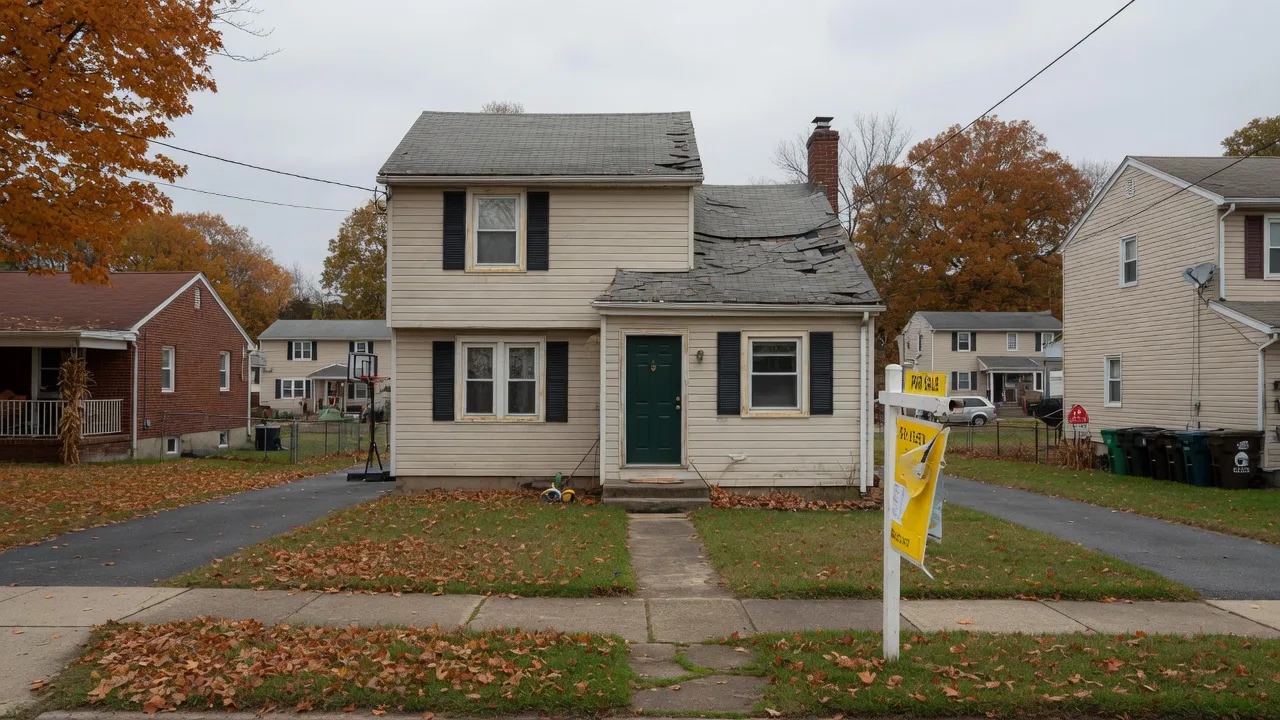
Many families are surprised to learn that their loved one's home has a reverse mortgage. The next question is almost always: "What happens now?" The good news is that having a reverse mortgage does not mean you automatically lose the house. However, it does mean the Personal Representative should act quickly and understand the available options.
What Is a Reverse Mortgage?
A reverse mortgage allows eligible homeowners, typically older adults, to borrow against the equity in their home. Instead of making monthly mortgage payments, the loan balance generally increases over time as interest and fees are added. The loan usually becomes due when the borrower: passes away, permanently moves out of the home, sells the property, or no longer meets certain loan requirements.
Notify the Loan Servicer
One of the first steps after the homeowner's death is contacting the reverse mortgage company. The loan servicer will explain: required documentation, available timelines, next steps, and communication procedures. Delaying this conversation can create unnecessary stress.
What Happens When the Borrower Dies?
When the last borrower passes away, the reverse mortgage generally becomes due. For FHA-insured Home Equity Conversion Mortgages (HECMs), the most common type of reverse mortgage, HUD sets the rules that govern what happens next. Here is the typical timeline, step by step:
| Step | What Happens | Typical Timing |
|---|---|---|
| Lender is notified of death | Family, executor, or servicer discovers the borrower has died | Within days to weeks |
| Due-and-payable notice is sent | Servicer sends a written notice to the estate, heirs, or title holder explaining options and the repayment timeline | Generally within 30 days of the triggering event |
| Heirs decide | Heirs indicate whether they plan to pay off, sell, deed in lieu, or walk away | Generally 30 days from receiving the notice |
| Resolution period | The lender may allow time for heirs or the estate to sell, repay, refinance, or otherwise resolve the HECM, with extensions possible if the property is actively being marketed | Up to 6 months, with possible 90-day extensions |
| Extensions (if applicable) | Lender may grant up to two 90-day extensions if heirs or estate show they are actively marketing the property | Up to 12 months total |
| Foreclosure | If the loan is not resolved, the lender can begin foreclosure proceedings | After the resolution window closes |
These are typical ranges, not guarantees. The servicer's notice, the estate's circumstances, and the loan's terms can each shift these windows.
Extensions After the Initial Six-Month Window
Heirs who are actively marketing the property can request up to two 90-day extensions beyond the initial six-month window. But the servicer won't offer these automatically. The request must come from the heirs. Heirs should ask the servicer what documentation is required, such as a listing agreement, purchase contract, appraisal, or proof of active marketing.
What Are Your Options?
Every estate is different, but common options include:
Option 1: Sell the Home. Many families sell the property. The sale proceeds are generally used to pay off the reverse mortgage balance, and any remaining equity belongs to the estate. Get an instant offer on the property to understand what the market will bear before making any decisions.
Option 2: Keep the Home. In some situations, heirs may choose to keep the property. This usually requires satisfying the loan according to the lender's requirements. Speak with the lender and your probate attorney to understand the available options.
Option 3: Explore Other Financial Solutions. Depending on the circumstances, refinancing or other financial arrangements may be available. Because every situation is unique, discuss these possibilities with qualified professionals before making a decision.
Option 4: Short Sale. If the property value is less than what's owed, a short sale may be possible. The lender must approve the sale at the reduced price. This is more complex and requires careful documentation.
The 95% Payoff Rule: What Many Heirs Don't Know
Key Protection: The 95% Payoff Rule
For FHA-insured HECMs, the repayment is capped at the lesser of the loan balance or 95% of the appraised value. Many heirs don't realize this and assume they're responsible for the full amount, even when the home is underwater. FHA insurance covers any remaining shortfall.
This means that if the home is worth $300,000 and the reverse mortgage balance is $350,000, the heirs are only required to pay 95% of the appraised value ($285,000), not the full $350,000. The FHA insurance fund covers the difference. This rule is often overlooked by estate attorneys and families alike, so it is worth asking the servicer about the current FHA payoff calculation.
Time Matters
Reverse mortgage loans often include deadlines for responding after the borrower's death. Waiting too long may reduce your available options. If you're the Personal Representative, start gathering information as soon as possible.
Surviving Spouse Rules: What Happens When a Spouse Is Still Living in the Home
One of the most important details in a reverse mortgage situation is whether the surviving spouse is on the loan. The rules differ significantly depending on the spouse's status:
| Spouse Status | What Happens |
|---|---|
| Co-borrower on the HECM | Loan continues; surviving spouse can remain in the home under the existing terms |
| Eligible non-borrowing spouse | May be able to defer repayment and remain in the home, subject to meeting loan obligations (taxes, insurance, maintenance) |
| Ineligible non-borrowing spouse | Loan becomes due; same options as other heirs (pay off, sell, deed in lieu, walk away) |
Note: Eligible non-borrowing spouse rules are highly fact-specific. Eligibility can depend on when the loan was originated and whether the spouse was identified at closing. The home must remain their principal residence, and taxes, insurance, and maintenance obligations must stay current. Attorney review is often worthwhile.
Determine the Home's Market Value
Before deciding whether to sell, it's important to know: current market value, estimated net proceeds, repair costs, time needed to prepare the property, and current market conditions. Without this information, it's difficult to make the best decision for the estate.
Should You Make Repairs?
Sometimes minor improvements increase the home's value enough to benefit the estate. Other times, selling as-is makes more sense. The answer depends on: property condition, repair costs, local market demand, timeline, and the amount of available equity.
What If the Reverse Mortgage Servicer Creates Problems?
Servicers sometimes refuse to share information, send conflicting notices, or push toward foreclosure even when heirs are cooperating. If this happens, heirs should document everything and consider filing a complaint with the CFPB or HUD.
Walk Away vs. Disclaimer of Inheritance
Heirs are not required to accept inherited property. If no heir wants the home, they may allow foreclosure or pursue another surrender option. Because HECMs are non-recourse loans, the lender cannot pursue heirs for any deficiency. Walking away and formally disclaiming the inheritance are different legal actions, so consult an attorney before deciding.
Frequently Asked Questions
Do heirs inherit the reverse mortgage? Not necessarily. The loan is tied to the property, and the lender will explain the available options after the borrower's death.
Can we sell a home with a reverse mortgage? Yes. Many inherited homes with reverse mortgages are sold during probate.
Will the estate receive any money? If the home's value exceeds the amount owed on the reverse mortgage and selling costs, the remaining equity generally belongs to the estate.
Should I contact the lender immediately? Yes. Early communication helps you understand deadlines and available options.
Do heirs owe the shortfall on an underwater reverse mortgage? For FHA-insured HECMs, heirs generally do not owe the shortfall if the reverse mortgage balance is more than the home is worth. The loan is non-recourse, meaning the lender looks to the home for repayment rather than pursuing heirs personally.
Can heirs refinance a reverse mortgage after the borrower dies? Heirs cannot refinance the existing reverse mortgage itself. But they can take out a new conventional mortgage on the property and use the proceeds to pay off the reverse mortgage balance. This requires qualifying for the new loan based on the heir's own credit, income, and the property's value.
Can I rent the house? Once the loan is resolved, yes. But during the resolution period, the property's status must be managed carefully.
What should heirs do before selling inherited property with a reverse mortgage? Before selling, heirs should confirm the payoff amount, resolution timeline, extension eligibility, and whether the loan balance exceeds the property value. The estate attorney and servicer should both be involved before listing. For more guidance, see carrying costs on inherited property in Maryland, the best way to sell inherited property, and the documents checklist for selling. You may also want to explore whether a TOD deed could have helped avoid this situation.
Helping Maryland Families Navigate Reverse Mortgages
Reverse mortgages can feel overwhelming, especially during probate. We help Maryland Personal Representatives: determine the home's market value, estimate net sale proceeds, compare selling as-is versus making improvements, coordinate contractors and clean-outs, work alongside attorneys, title companies, and lenders, and develop a strategy that protects the estate's equity.
If you're handling a Maryland probate property with a reverse mortgage, contact us today for a free consultation. We'll help you understand your options before making any decisions.