Probate & Estate Distribution
September 13, 2026 · Marc Cormier
Can You Be Asked to Return an Inheritance in Maryland? Understanding the Maryland Probate Clawback
Quick Answer
Yes, in some circumstances. Maryland law allows recovery of improperly distributed estate property or its value. For that specific type of recovery, the general deadline is the later of three years after the decedent's death or one year after the distribution. Other issues, such as creditor claims, Medicaid estate recovery, liens and taxes, can follow different rules.
Source: Maryland Estates and Trusts, Section 10-103.
This guide is part of ProbateFAQ.com, Marc Cormier's Maryland probate real estate resource for families, heirs, and attorneys. We answer real questions about the probate process, estate administration, and estate distribution in Maryland and the Washington, DC metro area.
Probate is the court-supervised process of administering a deceased person's estate. The Personal Representative is the person authorized by the Maryland Register of Wills or the Orphans' Court to run that process: collecting the estate's assets, paying valid debts and taxes, and making the estate distribution to the heirs. Heirs are the people entitled to inherit from the estate. When an heir receives property during the distribution, and that property later turns out to have been distributed improperly, Maryland law may allow the estate to recover it. That recovery is the Maryland probate clawback.
I'm Marc Cormier, a Maryland Realtor with Berkshire Hathaway HomeServices PenFed Realty, and I specialize in Maryland probate real estate in Maryland and the Washington, DC metro area. I help Personal Representatives and families make good decisions about estate properties. I'm not an attorney, and this page is educational, not legal advice. When a recovery question comes up, the estate's probate attorney is the person to answer it.
An Example, in Marc's Voice
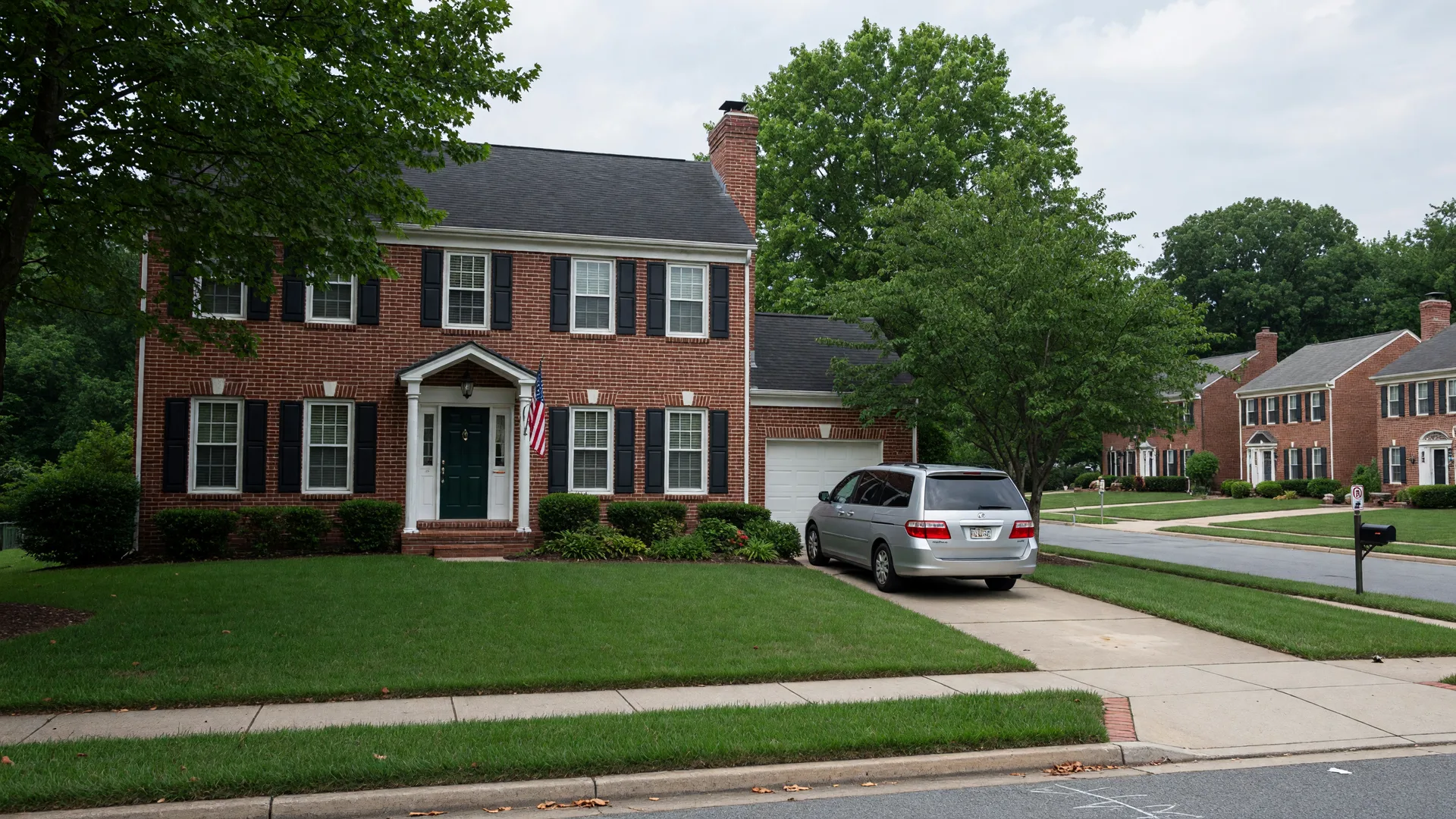
Here is an example I use with families. It is not a real family or a real case, just the shape of the situation. A family in Maryland inherits $150,000 from a parent's estate. The Personal Representative works through the estate, the distribution happens, and the family makes plans around that money. Then, later, a question surfaces about the distribution, and the family is asked to return $25,000 of it.
That request lands hard. The point of the example is not to frighten anyone. It is to show why the distribution should be handled carefully before the first check is written, and why the Personal Representative, the estate attorney, and the family should be clear about what the estate owes before anyone counts an inheritance as settled.
What is a Maryland probate clawback?
A Maryland probate clawback is the recovery of improperly distributed estate property, or its value, back into the estate. It is not a phrase you will find defined in the Maryland code, but it is a useful shorthand for a real remedy: when estate property has been distributed to an heir and the distribution turns out to be wrong, Maryland law can allow the estate to recover that property, or its value, so the estate can be distributed correctly.
A clawback situation usually starts with the estate administration itself. The Personal Representative identifies what the decedent owned, resolves the estate's debts and obligations, and then distributes what remains under the terms of the will or Maryland's intestacy rules. That sequence is fragile. If a debt, a tax, a lien, or another heir's interest is missed, the distribution that follows can be improper.
Improperly distributed property can take different forms: property paid to someone who was not entitled to it, more than their share, or before the estate's obligations were settled. In any of those situations, the recovery question is the same. Can the estate get the property, or its value, back? Under Maryland law, sometimes it can.
Can an heir really have to return inheritance money?
Yes, in some circumstances an heir can be required to return inheritance money or other improperly distributed estate property. This is not the same as being personally responsible for the decedent's debts. It is about correcting the estate's distribution: if the estate paid out property that should have gone elsewhere, or paid more than the heir was entitled to receive, the estate may seek to recover it so the estate can be distributed the way Maryland law requires.
In practice, recovery is usually a conversation before it is a court case. The Personal Representative or the estate attorney identifies the error, explains it, and the family works out how to correct it. When the sides disagree, the Orphans' Court can decide whether recovery is required and on what terms.
This question comes up often in Maryland probate real estate because a house is usually the estate's largest asset. When a house sells during probate and the proceeds are distributed, a lot of money moves at once. A missed claim, an undetected lien, or a misunderstanding about how the proceeds should be split can turn a routine distribution into a recovery situation later.
How long can the estate try to recover it?
The general deadline for recovering improperly distributed estate property in Maryland is the later of three years after the decedent's death or one year after the distribution. That rule comes from Maryland Estates and Trusts, Section 10-103, and it sets the boundary on when an estate, or the people acting for it, can ask for improperly distributed property back. Once the window closes, recovery becomes much harder.
The ordinary clawback deadline is not the only clock in the room. The quick answer above says it plainly: other issues can follow different rules. Creditor claims, Medicaid estate recovery, liens, and taxes each run on their own schedules, and those schedules can be shorter or longer depending on the facts. If a deadline is in question, the estate attorney should calculate the one that applies rather than rely on a rule of thumb.
What if I already spent the inheritance?
Spending the money does not automatically end the estate's ability to seek recovery. The estate can still ask for the property back, or for its value, and the court can weigh how the situation developed: what the heir knew, when the error was discovered, whether the funds can still be found, and what the fair result is for everyone with an interest in the estate.
If you have received a distribution and spent part or all of it, the worst move is usually to ignore the question. Talk to the estate attorney. In many cases the family and the estate can work out a practical resolution, such as a repayment plan or an offset against the heir's remaining share, before the situation becomes a court dispute. At the same time, if the distribution was a mistake the estate made, the estate and its attorney will want to correct it properly so no heir is treated unfairly.
This is exactly why the example above matters. An inheritance that becomes a request to return part of it is hard to plan around. The cleaner path is to know, before the distribution, what the estate owes and what each heir is entitled to receive.
What if it's a creditor asking for money?
If a creditor is asking for money, the claim generally runs through the estate's creditor process, not through a personal demand that an heir return the inheritance. In Maryland probate, the Personal Representative is responsible for notifying creditors, reviewing claims, and paying valid estate debts from estate assets before the remaining estate is distributed. Heirs are generally not personally responsible for the decedent's debts just because they inherit.
That does not mean creditors have no rights. A creditor with a valid claim can seek payment from the estate, and in some situations that affects what is left for the heirs, including proceeds from the sale of a probate house. The distinction worth keeping: the creditor is asking the estate, and the estate may need to recover from a distribution to make the creditor whole, which is different from the creditor collecting directly from an heir's pocket.
We cover this in detail in our guide: Can Creditors Take an Inherited House in Maryland?
What if Medicaid is involved?
If Medicaid is involved, Maryland Medicaid estate recovery follows a different set of rules from the ordinary probate clawback. Medicaid estate recovery concerns the Maryland Department of Health seeking repayment of certain Medical Assistance benefits from a deceased recipient's estate, and it has its own deadlines, notices, and protections, including rules that can apply to a surviving spouse and hardship situations.
A Medicaid lien or estate-recovery claim can become part of the estate's obligations before house proceeds are distributed in a probate sale. That is a separate question from whether an heir must return an improperly distributed inheritance, and it should be treated that way.
We explain the full picture in our companion article: Can Medicaid Take Mom's House After She Dies in Maryland? If Medicaid is part of your situation, read that page and have the estate attorney sort out which rules apply.
What should the Personal Representative do before distributing house proceeds?
Before distributing house proceeds, the Personal Representative should confirm the estate's obligations are settled and the distribution follows the estate administration and any required court approval. The house is usually the estate's largest asset, so its sale proceeds deserve the most careful handling of anything in the estate.
Before Distributing House Proceeds, the Personal Representative Should:
- Inventory the estate and identify every asset, including the house and its sale proceeds.
- Give creditors the required notice and review every claim filed against the estate.
- Settle valid debts, taxes, liens, and estate administration costs before funds are distributed.
- Check whether Medicaid estate recovery or another government claim applies.
- Confirm the distribution follows the will or Maryland's intestacy rules, and any court order.
- Keep records of every decision so the estate can account for the distribution.
- Have the probate attorney review the distribution before funds leave the estate.
If the house itself is still to be sold, timing matters too. You can read about that here: Can You Sell a House Before Probate Is Finished in Maryland? And for the full picture of the Personal Representative's job, start with the Personal Representative Guide.
Written and reviewed by Marc Cormier
Published: September 13, 2026 · Updated: September 13, 2026