Probate Inventory Guide
How to Create a Probate Estate Inventory in Maryland
A complete guide to what to include, how to value assets, and common mistakes to avoid when filing with the Register of Wills
What Is a Probate Estate Inventory?
When someone passes away, their estate doesn't simply vanish — every asset they owned must be accounted for before it can be distributed to heirs. In Maryland, this accounting starts with a sworn document called the probate estate inventory, which lists every asset owned by the deceased person at the time of death.
The Personal Representative must file this inventory with the Register of Wills within three months of being appointed. It is one of the most important early steps in the probate process, and getting it right from the start saves time, money, and legal headaches down the road.
The inventory establishes the estate's total value, which affects estate tax obligations, executor fees, and how assets are eventually distributed to heirs. A thorough, accurate inventory also protects the Personal Representative from personal liability if questions arise later about how estate assets were handled.
Comprehensive Guide
What Assets Need to Be Included?
Everything the deceased owned or had an interest in at the time of death should be included. Maryland law takes a broad view of what counts as an estate asset, so the rule of thumb is: if in doubt, include it.
Real Property
- Primary residence
- Vacation homes
- Rental properties
- Commercial property
- Vacant land
- Properties held in trust (if the estate has an interest)
Financial Accounts
- Bank accounts (checking, savings, CDs)
- Investment accounts (brokerage, mutual funds)
- Retirement accounts (401k, IRA, pension) — these may pass outside probate
- Life insurance proceeds payable to the estate
Personal Property
- Vehicles (cars, trucks, motorcycles, boats)
- Furniture and household items
- Jewelry and watches
- Artwork and collectibles
- Electronics
- Tools and equipment
- Clothing
Other Assets
- Business interests (LLC membership, partnership interests)
- Money owed to the deceased (notes receivable)
- Tax refunds due
- Lawsuit proceeds pending at time of death
- Digital assets (cryptocurrency, online accounts with value)
Does Real Estate Need to Be Included?
Yes. All real property owned by the deceased must be listed in the inventory, even if it will pass to a beneficiary outside of probate through a TOD deed or trust. The Register of Wills needs a complete picture of the estate to properly administer it and assess any applicable fees or taxes.
This surprises many personal representatives who assume that if a house is going directly to a named beneficiary, it can be left off the inventory. That assumption is incorrect. The court requires full disclosure of all real estate holdings regardless of how they will ultimately be distributed.
If you need guidance on how real property fits into the probate process, this article on probate appraisal and estate valuation covers how real estate is assessed and documented for the inventory.
How Do I Determine the Value of Estate Assets?
Maryland law generally requires assets to be valued at their fair market value on the date of death. This is known as the "date of death valuation."
For real estate:
- Order a professional appraisal, or
- Use a comparative market analysis from a licensed Realtor
The date-of-death value also establishes the stepped-up basis for capital gains tax purposes, making an accurate valuation doubly important for the heirs who eventually sell the property.
For financial accounts:
- Use the account balance on the date of death
- Request statements from the financial institution
For personal property:
- Use fair market value (what it would sell for), not replacement cost
- For items of significant value, consider a professional appraisal
- Common household items can be grouped and estimated
What Date Should Be Used to Value Assets?
The date of death is the standard valuation date. In some cases, an alternate valuation date (six months after death) may be used if it reduces the estate's total value for tax purposes. Your probate attorney and CPA can advise on which date is more advantageous for your specific situation.
For a deeper look at how these timelines work, read our guide on how long probate takes in Maryland.
What Personal Property Should Be Inventoried?
All tangible personal property should be listed, including:
- Furniture in every room
- Kitchen appliances and cookware
- Bedding and linens
- Clothing and accessories
- Jewelry and watches
- Artwork, prints, and sculptures
- Electronics (TVs, computers, tablets)
- Tools and garden equipment
- Vehicles and recreational equipment
- Collections (stamps, coins, wine, etc.)
You don't need to list every fork and spoon individually. Grouping similar items (e.g., "Kitchen contents — cookware, dishes, small appliances") is acceptable. But items of significant individual value should be listed separately. The dividing line is typically items valued over $100 to $500 depending on the Register of Wills office, and any item that could reasonably be disputed by an heir.
What Financial Accounts Should Be Included?
Include all accounts owned solely by the deceased at the time of death:
- Checking and savings accounts
- Certificates of deposit
- Money market accounts
- Brokerage accounts
- Bonds and notes
- Business interests
Note: Accounts with named beneficiaries (like life insurance or retirement accounts with a designated beneficiary) generally pass outside probate and may not need to be included in the estate inventory. However, if the beneficiary is the estate itself, those funds are part of the probate estate. This distinction matters because it directly affects whether those assets are subject to estate debts and creditor claims.
Learn more about the essential responsibilities of a Personal Representative for a complete picture of what the role entails.
What Happens If I Discover an Asset Later?
If you discover an asset after filing the inventory, you can file a supplemental inventory with the Register of Wills. This is common — estates often have accounts or property that are overlooked initially. A supplemental inventory follows the same format as the original and simply adds the newly discovered asset with its date-of-death valuation.
The court will accept supplemental filings without penalty, provided they are made promptly after discovery. The key is to act quickly once you realize something was missed, rather than trying to amend a previously filed document.
What Records Should the Personal Representative Keep?
Maintain detailed records of:
- All income received by the estate (rent, interest, dividends)
- All expenses paid (mortgage, insurance, utilities, repairs)
- All distributions made to heirs
- All tax filings and receipts
- All correspondence with creditors
- All appraisals and valuations
These records are required for the estate accounting that must be filed with the Register of Wills before the estate can close. Without organized records, the final accounting becomes a scramble to reconstruct what happened over months or years of estate administration.
For a full overview of what documents you will need, see our guide on documents required to sell an inherited house in Maryland.
Watch Out
Common Probate Inventory Mistakes
Even experienced Personal Representatives make mistakes on the inventory. Here are the most common ones to avoid:
- Filing late — the three-month deadline is strict; file on time or request an extension before the deadline expires
- Undervaluing assets — use fair market value, not what you hope it's worth or what a family member offered
- Forgetting assets — check for old accounts, stored items, and digital assets that are easy to overlook
- Not appraising real estate — get a professional valuation for the property; a tax assessment is not sufficient
- Mixing personal and estate property — keep estate funds in a separate account from day one
- Not keeping copies — retain copies of everything you file and all supporting documentation
- Filing without attorney review — have your probate attorney review the inventory before filing
When Should the Inventory Be Completed?
Maryland law requires the inventory to be filed within three months of the Personal Representative's appointment. In practice, start gathering information immediately after appointment so you can file on time. The three months go quickly, especially when you are waiting for financial institutions to provide account statements and for appraisers to complete their work.
The inventory is one of the first major deadlines in the probate process. Missing it can result in court sanctions and delays in closing the estate, and it can create unnecessary friction with the Register of Wills office that makes every subsequent step harder.
If you are selling a probate property as part of the estate administration, our guide to selling a probate house in Maryland covers what you need to know about court approval, pricing, and working with heirs.
Get the Complete Checklist
Get the Complete Probate Inventory Checklist
This guide covers the key concepts. The complete printable checklist includes:
Room-by-room inventory template
Asset categories with value estimates
Document tracking for financial accounts
Valuation guidance with date-of-death requirements
Common items that are easily overlooked
Filing deadline reminders
Download the Complete Checklist
Enter your information below to access the complete printable probate inventory checklist.
Your information is secure. We will never share or sell your data.
Optional
Get these checklists plus a personal walkthrough
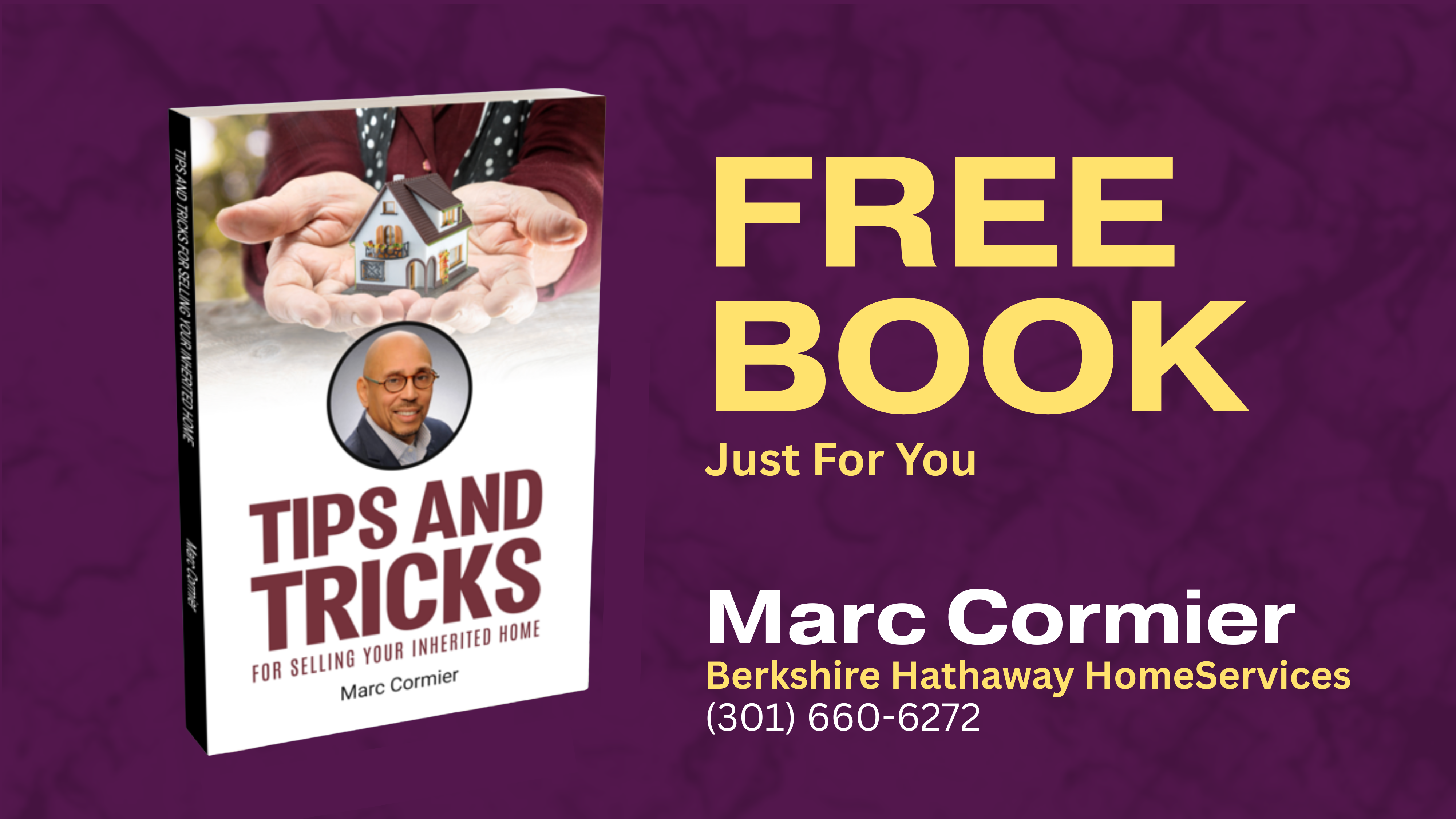
Marc Cormier sends a free next-step checklist with his personal walkthrough of your situation. No cost, no obligation, and it never affects your free checklist above.
Optional: also get Marc’s next-step checklist
Frequently Asked Questions
Frequently Asked Questions About Probate Inventory
What is a probate inventory?
A probate inventory is a sworn document listing all assets owned by the deceased at the time of death. In Maryland, it must be filed with the Register of Wills within three months of the Personal Representative's appointment.
What assets need to be included in a probate inventory?
All assets owned solely by the deceased: real estate, bank accounts, investments, vehicles, personal property, business interests, and money owed to the deceased. Assets with named beneficiaries may pass outside probate.
Does real estate need to be included in the inventory?
Yes. All real property owned by the deceased must be listed, even if it will pass to a beneficiary outside of probate through a TOD deed or trust.
How do I value an inherited house for the inventory?
Use the fair market value on the date of death. A professional appraisal or comparative market analysis from a licensed Realtor establishes this value. It also sets the stepped-up basis for capital gains tax.
What happens if I discover an asset after filing the inventory?
File a supplemental inventory with the Register of Wills. This is common and acceptable — estates often have accounts or property overlooked initially.
What are common probate inventory mistakes?
Filing late, undervaluing assets, forgetting assets, not appraising real estate, mixing personal and estate property, and filing without attorney review are the most common mistakes.
Keep Learning
Related Resources
Article
Probate Appraisal and Estate Valuation
Understand how property appraisals work in the probate process.
Article
What Is Probate: 10 Things Every PR Must Know
Essential knowledge for anyone serving as a Personal Representative.
Article
How Long Does Probate Take in Maryland?
Probate timeline and key milestones in Maryland.
Guide
Selling a Probate House
Step-by-step guide to selling an estate property in Maryland.
Article
Documents to Sell an Inherited House in MD
Essential paperwork for selling inherited property.
About the Author
Marc Cormier
Probate Real Estate Specialist
Marc Cormier is a licensed real estate professional with Berkshire Hathaway HomeServices PenFed Realty, based in Montgomery County, Maryland. He has 27 years of experience and has sold close to 1,000 homes, with a focus on probate properties, distressed sales, and helping families navigate the estate administration process. He holds the SRES (Seniors Real Estate Specialist) designation and is a Certified Probate Real Estate Specialist (CPRES).
Legal Disclaimer
This article is for general informational purposes only and does not constitute legal, tax, financial, or real estate advice. Every estate situation is unique. We strongly encourage you to work with qualified professionals, including a probate attorney, CPA, and experienced real estate broker, before making any decisions related to inherited property. Marc Cormier is a licensed real estate professional, not an attorney, CPA, or financial advisor.