SRES Designation
August 21, 2026 · Marc Cormier
Why It Matters When You Check for the SRES Designation
Marc Cormier is not an attorney. This page is for general informational and entertainment purposes only and is not legal advice. Consult a probate attorney before making decisions about selling probate property.
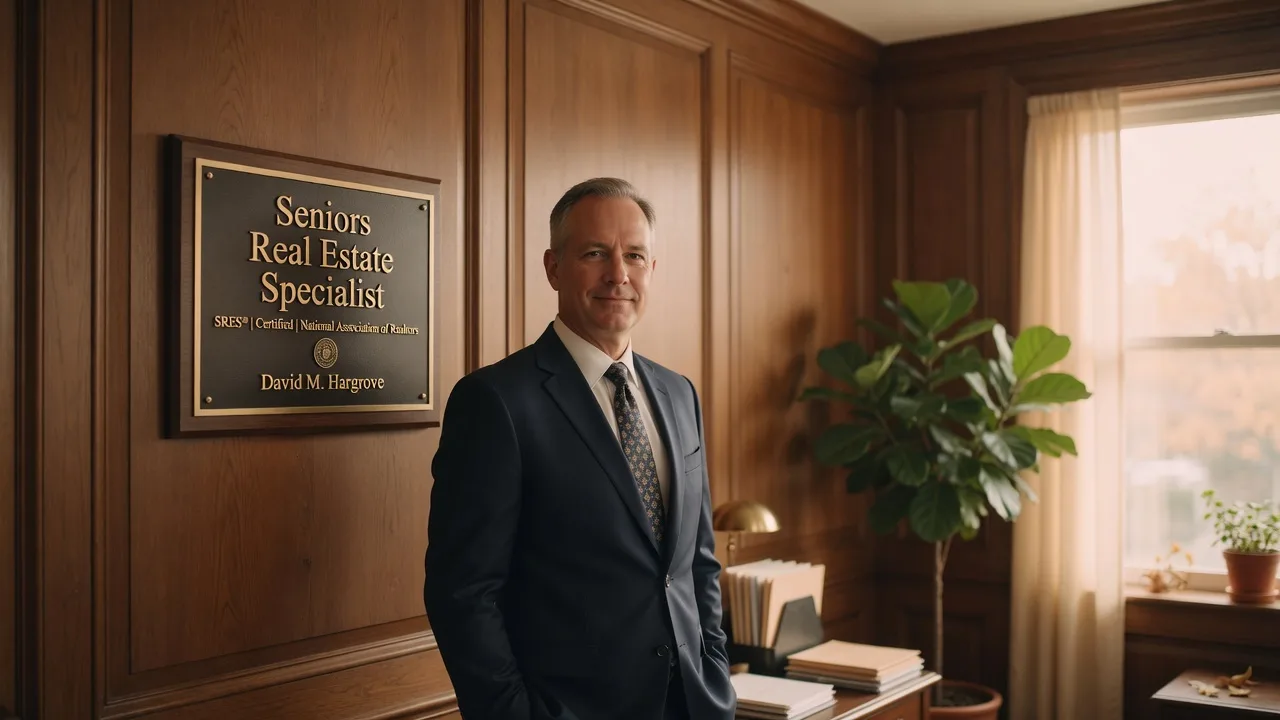
SRES stands for Seniors Real Estate Specialist. Checking for it before you hire an agent matters because it's the one credential that confirms the agent was trained specifically on what happens to buyers and sellers over 50, not just how to list a house.
The Proof
Marc Cormier holds the SRES designation, alongside 27 years of experience and close to 1,000 homes sold in Maryland, DC, and Northern Virginia. He is also the author of an Amazon best-selling book on probate real estate. Probate and downsizing overlap constantly. A family selling an inherited home and a retiree selling to move into something smaller are often facing the same pressure at the same time: too much house, too many decisions, and not much time to think clearly about either.
Why Recognizing This Credential Is Worth Your Time
Anyone can hold a real estate license and list a house. Most agents never take a single hour of training on what a sale looks like when the seller is 65, 75, or 85. That gap shows up in ways that cost real money and real peace of mind.
Here's what tends to happen when the agent hasn't had that training:
- The house gets priced and listed the same week, with no time built in to sort belongings, involve family, or think through where you're actually moving to
- Nobody explains the tax and cost differences between an active senior community, an age-in-place remodel, and a straight downsize, so the decision gets made on instinct instead of facts
- Pressure to sign gets applied before you've had a real conversation about what the move means, not just what the house is worth
- Family members get looped in too late, or not at all, and disagreements surface after an offer is already on the table
None of that is malicious. It's just what happens when an agent treats a 50+ seller like any other client. The transaction moves fast because that's how the agent is used to working. Speed is the goal, not fit.
An SRES agent has specifically trained to slow that down where it needs slowing down, and move fast where speed actually helps you. That includes understanding senior housing options and what each one costs and requires, and working through a transition that is financial and personal at the same time, not just financial.
The designation also isn't a one-time class. It has to be maintained through active membership with NAR and the Center for REALTOR Development. An agent who lets it lapse isn't staying current on this specific area. Checking that the credential is active, not just claimed, is worth thirty seconds before you sign anything.
What This Means for You
If you're 50 or older and thinking about selling, buying, or helping a parent through either, ask the agent directly whether they hold the SRES designation. If they don't, ask what specific training they've had on senior transitions. A vague answer is itself an answer. This isn't the only thing to check before hiring an agent, but it's one of the fastest ways to find out whether the agent has actually prepared for your situation, or is planning to learn on the job with your house as the practice run.
Frequently Asked Questions
How is SRES different from a regular real estate license?
A license lets someone practice real estate. SRES is additional training on top of that, focused entirely on clients over 50. Not every licensed agent has taken it.
Does working with an SRES agent cost more?
No. Commission works the same as with any listing agent. The designation reflects training, not a different fee.
Do I need an SRES agent if I'm downsizing but there's no estate involved?
Yes, if the situation matches what the designation is built for. Sorting decades of belongings, timing a sale against a move to something smaller, figuring out what the house nets after that move. That's the same weight probate carries, just without a court involved.
Is SRES only useful for selling, or does it help with buying too?
Both. The training covers senior communities, aging-in-place changes, and retirement or vacation home purchases, not just listing a home.
Related Reading
- How Long Does Probate Take in Maryland?
- Executor's Guide to Selling Probate Property in Maryland
- Selling a Probate House in Maryland
- Personal Representative Fiduciary Duty in Maryland
- About Marc Cormier
Next Step
If you're weighing a move and want to talk through what it actually looks like for your situation, before any listing agreement or pressure to decide, reach out directly.
Marc Cormier, Realtor
Berkshire Hathaway HomeServices PenFed Realty
8075 Leesburg Pike, Suite 720, Tysons Corner, VA 22182
Schedule a Free ConsultationLegal Disclaimer
Marc Cormier is a licensed real estate professional, not an attorney. This page is for general informational and entertainment purposes only and does not constitute legal advice. Every estate situation is unique. We strongly encourage you to work with qualified professionals, including a probate attorney, CPA, and experienced real estate broker, before making any decisions related to probate property. Marc Cormier is a licensed real estate professional, not an attorney, CPA, or financial advisor.
About the Author
Marc Cormier is a licensed real estate professional with Berkshire Hathaway HomeServices PenFed Realty in Potomac, Maryland, with 27 years of experience and close to 1,000 homes sold. He holds the Seniors Real Estate Specialist (SRES) designation and specializes in probate, distressed property, and estate sales across Maryland, DC, and Virginia.