Maryland Probate Guide
August 21, 2026 · Marc Cormier
Selling a House in Probate in Maryland: A Guide
Marc Cormier is not an attorney. This page is for general informational and entertainment purposes only and is not legal advice. Consult a probate attorney before making decisions about selling probate property.
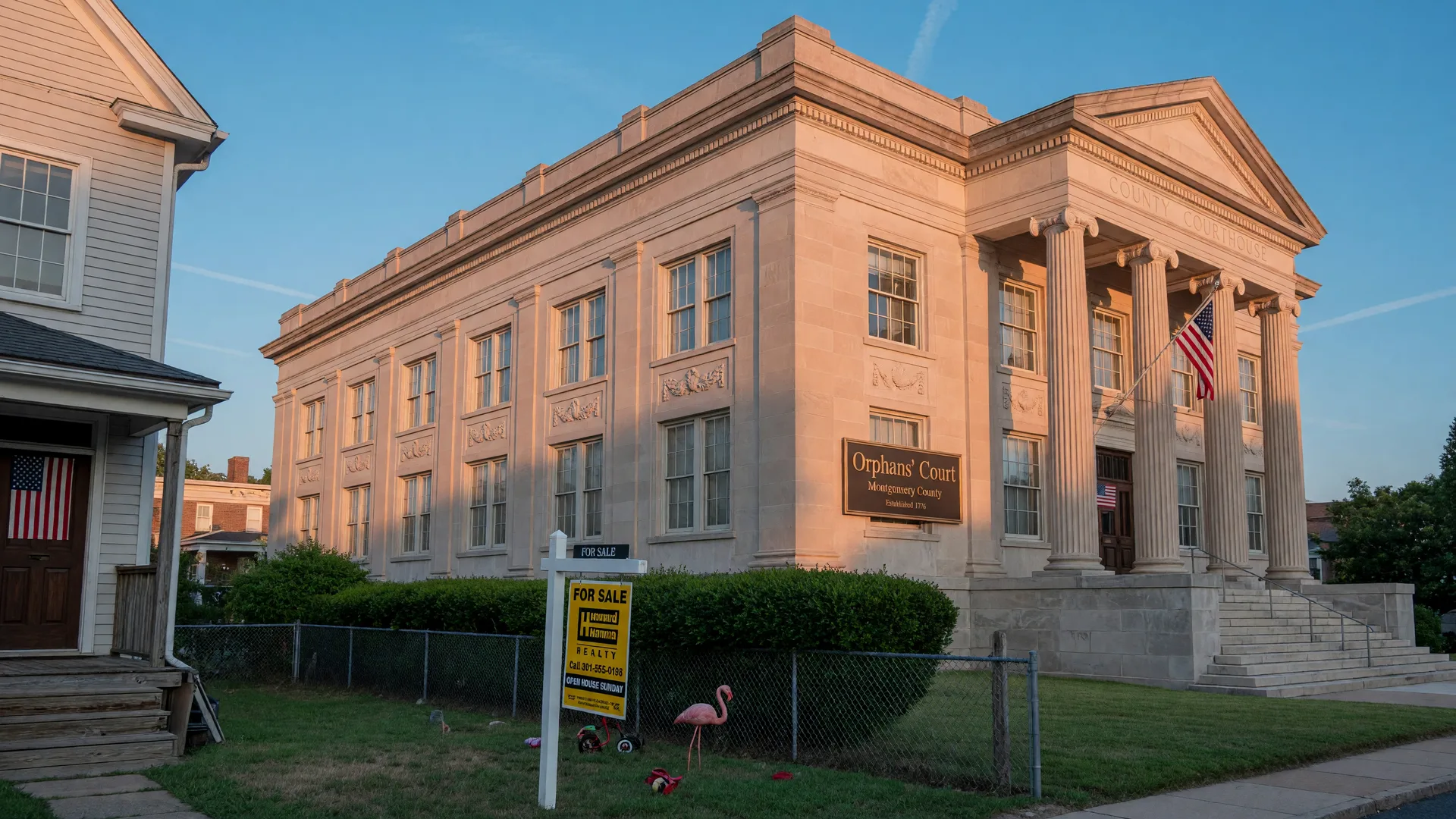
How Do You Sell a House in Probate in Maryland?
You sell a house in probate in Maryland by opening an estate with the Register of Wills, getting court authority through Letters of Administration, having the property appraised, and getting Orphans' Court approval before closing. Every step needs the court's sign-off. Skip one and the sale can stall or get challenged.
Real Numbers From a Real Maryland Probate Sale
Most guides give you the legal steps and stop there. Here is what actually happened on one estate.
The Estate of Eileen H. Eshleman, Cashell Estates. Cash buyers offered between $190,000 and $235,000 for the property as-is. Instead of taking the fast cash offer, the estate invested roughly $70,000 in renovation and staging. The home sold for $473,500.
That is the gap between the easy option and the right option on a probate sale. Cash offers move fast. They do not always protect the estate's value. The right call depends on the property's condition, the timeline the heirs can tolerate, and what the local market will actually pay for a renovated home versus an as-is sale.
The 7 Steps to Sell a House in Probate in Maryland
Step 1: Petition the Orphans' Court
The personal representative files a petition with the Orphans' Court in the county where the deceased person lived. This opens the probate estate. You'll need the death certificate and supporting documents.
Step 2: Get the Personal Representative Appointed
The court appoints the personal representative (executor). If the deceased left a will naming someone, the court honors that. If not, the court appoints an administrator.
Step 3: Obtain Letters of Administration
This document gives the personal representative legal authority to act on the estate's behalf, including authority to sell real estate. No sale happens without it.
Step 4: Get the Property Appraised
Maryland law requires a fair market value appraisal. The property generally cannot sell for less than appraised value without separate court approval.
Step 5: List the Property or Take a Cash Offer
This is the decision point. List with an agent who understands probate timelines and court requirements, or take a direct cash offer. Either path is legal. They are not equally good for every property. See the numbers above.
Step 6: Get Court Approval of the Sale
The personal representative submits the appraisal and the signed sale agreement to the Orphans' Court for approval. In many Maryland counties, this also requires publishing notice of the sale, giving other interested parties a window to come forward before the court finalizes it.
Step 7: Distribute Proceeds to Heirs
Once the sale closes, the personal representative distributes the proceeds according to the will, or Maryland intestacy law if there is no will.
Frequently Asked Questions
What is an Orphans' Court and what does it do in a probate sale?
The Orphans' Court is Maryland's specialized probate court. It oversees estate administration, approves the appointment of the personal representative, and must approve the sale of estate property before closing.
What happens if there are multiple heirs who disagree on selling?
The heirs need to agree on sale terms and how proceeds get divided. If they can't agree, the personal representative can petition the Orphans' Court to resolve the dispute.
Can I sell a probate house in Maryland without an attorney?
Yes, technically. It is not recommended. Probate has strict filing deadlines and notice requirements. A missed step can delay the sale or expose the personal representative to liability.
How long does probate take in Maryland?
Most estates take 6 to 12 months to settle. Complex estates, or ones with disputes among heirs, take longer. The property sale itself can often move forward once the Letters of Administration are issued, without waiting for the full estate to close.
Cash offer or full market listing, which is better?
Depends on the property and the heirs' timeline. A cash offer closes in days with no repairs. A market listing takes longer but can net significantly more, especially on a property that needs work. The Cashell Estates numbers above show the size of that gap on one real property. Get both numbers before deciding. That's exactly what a multiple-offer approach gives you.
Get Multiple Offers on the Property Within Minutes
Don't guess which path nets more for the estate. Get competing offers, cash and full market value, side by side, and let the heirs decide with real numbers in front of them.
Related Reading
- Facts to Know When You're the Personal Representative
- What to Do When You Inherit a House in DC, Maryland, or Virginia
- Inheriting a House with a Reverse Mortgage
- Maryland Probate Realtor
About the Author
Marc Cormier is a licensed real estate professional with Berkshire Hathaway HomeServices PenFed Realty, based in Montgomery County, Maryland. He has 27 years of experience and has sold close to 1,000 homes, with a focus on probate, distressed properties, bankruptcy trustee sales, and downsizing for families across Maryland, DC, and Northern Virginia. He is the author of an Amazon best-selling book on probate real estate, holds the SRES (Seniors Real Estate Specialist) designation, and has testified in federal court as a qualified real estate expert witness.
Marc Cormier, Realtor
Berkshire Hathaway HomeServices PenFed Realty
8075 Leesburg Pike, Suite 720, Tysons Corner, VA 22182
(301) 660-6272
Legal Disclaimer
Marc Cormier is a licensed real estate professional, not an attorney. This page is for general informational and entertainment purposes only and does not constitute legal advice. Consult a probate attorney before making decisions about selling probate property.