Reverse Mortgages
April 6, 2021 · Marc Cormier
Selling a Home With a Reverse Mortgage
By Marc Cormier
Last reviewed: October 28, 2026
What to do first
- Get a current written payoff quote from the reverse mortgage servicer.
- Price the home with a local agent who understands how reverse mortgage payoffs work at closing.
- List the property, negotiate offers, and close.
- Understand that the loan, including accrued interest and fees, is paid from the sale proceeds at closing.
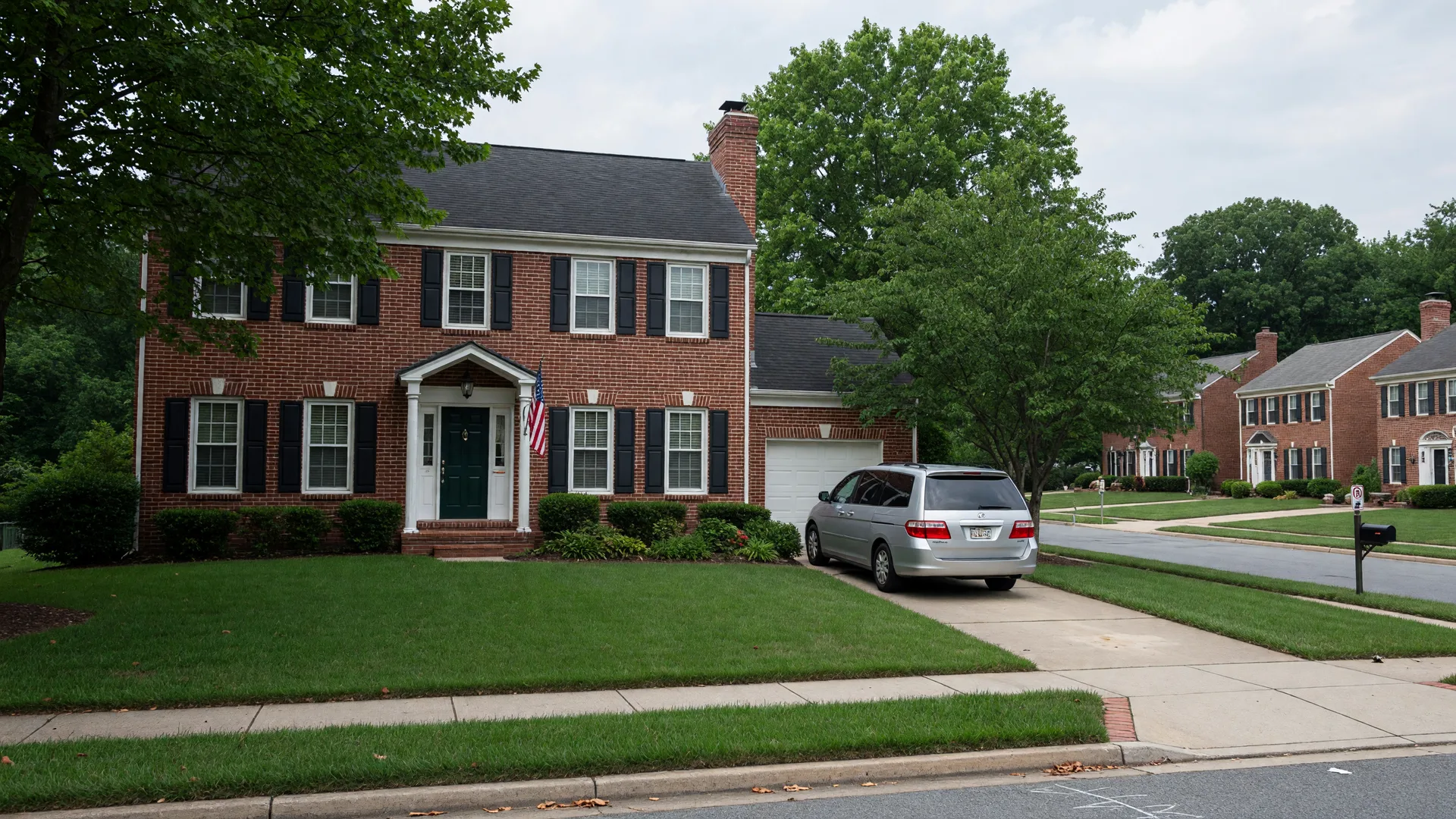
A reverse mortgage does not lock a homeowner into the property. While the borrower is still alive, selling the home is a straightforward transaction: the loan is paid back from the sale proceeds at closing, and the borrower keeps whatever equity remains. This page covers how the payoff works, what happens when the home sells for less than the balance, and the practical steps to follow.
Can a living borrower sell a home with a reverse mortgage?
A living borrower can sell the home at any time. The loan is repaid at closing from the sale proceeds, and the borrower keeps whatever equity remains.
How the payoff works at closing
The loan, including accrued interest and fees, is paid from the sale proceeds at closing; if the balance is less than the sale price, the borrower keeps the difference (CFPB: What happens if I have a reverse mortgage and I want to sell my home?). The payoff quote from the servicer states the exact amount due, and the title company coordinates the payoff directly from the sale proceeds at closing.
Selling for less than the balance while the borrower is alive
If the borrower sells at the appraised value and the loan balance is higher, the sale proceeds go toward the loan and mortgage insurance pays the remaining balance. If the loan is already due and payable, the home can be sold for 95% of its appraised value; 24 CFR 206.125(c) confirms this sale option applies to the borrower as well as the estate (CFPB 2095).
The practical steps to sell
- Get a current written payoff quote from the servicer, including accrued interest and fees.
- Price the home with a local agent who knows the market and the reverse mortgage payoff process.
- List the property and market it.
- Negotiate offers, comparing more than one when possible.
- Close, with the loan paid from the sale proceeds and the remaining equity going to the borrower.
Before pricing, run the estate's numbers with the Maryland probate cost calculator so you know what the sale will net after the payoff and closing costs.
What happens after death: the heirs' timeline
When the borrower dies, the rules change. The loan becomes due and payable, the servicer sends a due-and-payable notice, and heirs have 30 days from the notice to pay off the loan, sell the home, or turn it over to the lender. The 95% rule also applies to the estate. See What happens to a reverse mortgage after the borrower dies in Maryland for the full timeline and the non-recourse protection.
Frequently Asked Questions
Can a borrower sell a home with a reverse mortgage before the loan is due? Yes. A living borrower can sell the home at any time. The loan is repaid at closing from the sale proceeds, and the borrower keeps whatever equity remains.
How is a reverse mortgage paid off when the home is sold? The loan, including accrued interest and fees, is paid from the sale proceeds at closing. If the balance is less than the sale price, the borrower keeps the difference.
What happens if the home sells for less than the reverse mortgage balance? If the borrower sells at the appraised value and the loan balance is higher, the sale proceeds go toward the loan and mortgage insurance pays the remaining balance. If the loan is already due and payable, the home can be sold for 95% of its appraised value.
What happens to a reverse mortgage after the borrower dies? The loan becomes due and payable, the servicer sends a due-and-payable notice, and heirs have 30 days from the notice to pay off the loan, sell the home, or turn it over to the lender. That timeline may be extended up to six months (CFPB), and HUD can approve additional time.
Next step: compare offers before you commit
Whether you are selling while the borrower is alive or resolving the loan after death, more than one offer gives you a documented, defensible record of fair value.
If you're selling a home with a reverse mortgage, contact us today for a free consultation. We'll help you understand your options before making any decisions.
Marc Cormier is a licensed real estate professional with Berkshire Hathaway HomeServices PenFed Realty, based in Montgomery County, Maryland. He has 27+ years of experience and close to 1,000 homes sold, with a focus on probate, distressed properties, bankruptcy trustee sales, and downsizing for families across Maryland, DC, and Northern Virginia. He is the author of an Amazon best-selling book on probate real estate and holds the SRES (Seniors Real Estate Specialist) designation.
10400 Old Georgetown Road, Suite 3C, Bethesda, MD 20814 · Office: (301) 660-6272 ext. 711 · 8075 Leesburg Pike, Suite 720, Tysons, VA 22182 · Office: (703) 445-3550 ext. 711