Maryland Tax Sales · Prince George's County
September 17, 2026 · Marc Cormier
Prince George's County Inherited Property and Tax Sale
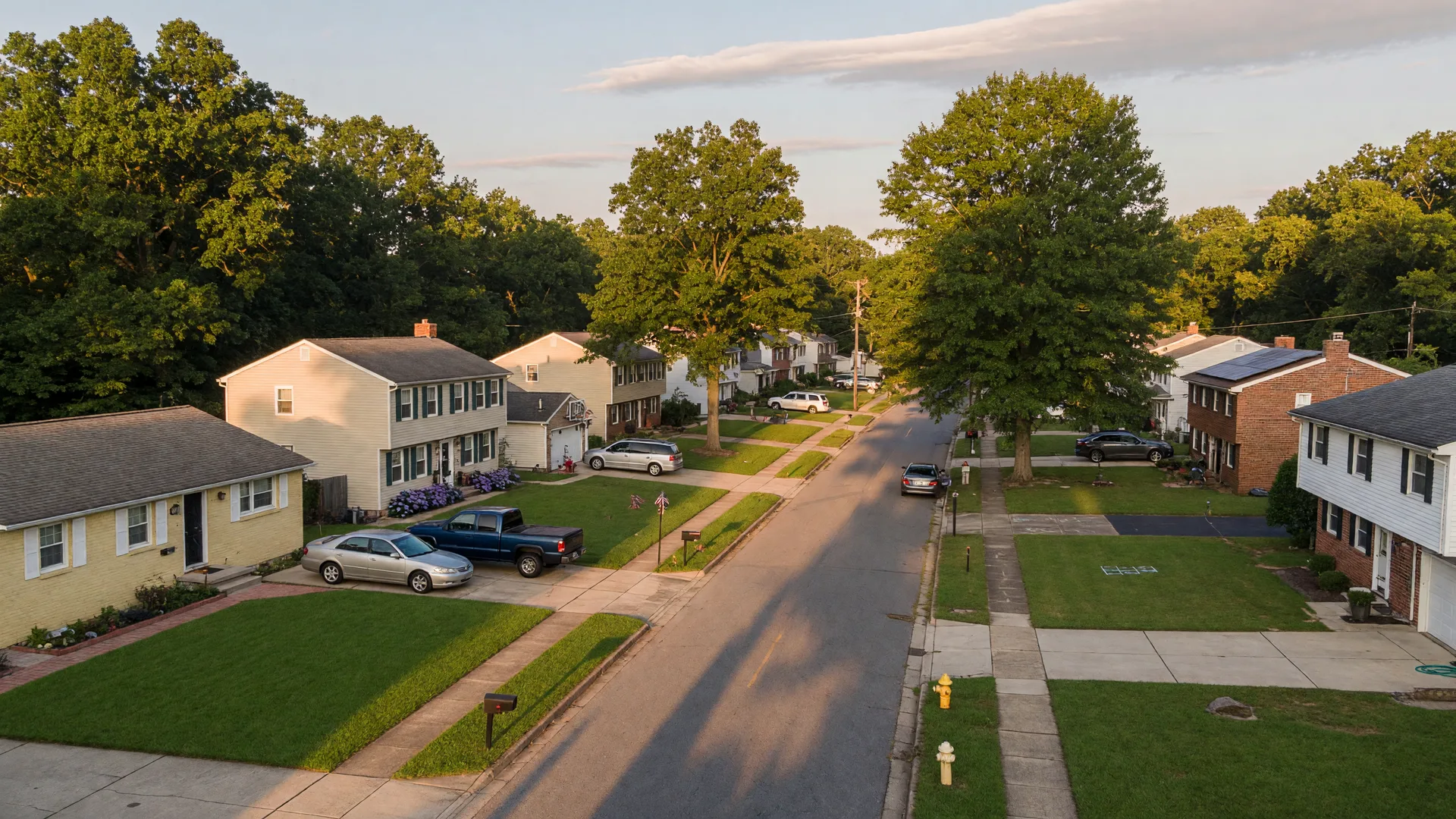
In Prince George's County, Maryland, an inherited home with unpaid property taxes can be included in the county's tax lien sale, held on the second Monday of May. The family keeps title and can redeem through the county's Office of Finance, but must act before the right of redemption is foreclosed by the Circuit Court.
The Answer in One Citation
In Prince George's County, Maryland, real property taxes fall due July 1 and become delinquent on October 1 (on the annual schedule), with unpaid State, County, and municipal taxes becoming a lien on the property under Tax-Property Article §14-804 and interest accruing at 1⅔% per month (§§14-603, 14-703). The county holds its tax sale on the second Monday of May, and the owner or any person with an interest may redeem at any time until the right of redemption is finally foreclosed by a Circuit Court order (§14-827), paying the amount bid plus interest at the statutory rate plus subsequent taxes, penalties, and interest. Redemption is paid to the county's Office of Finance, commonly by certified or cashier's check, money order, or credit card in person.
How the Prince George's County tax sale works
Prince George's County's Maryland tax sale is held on the second Monday of May each year. Under the Maryland Tax-Property Article, the Collector of Taxes is required to sell any property with taxes in arrears (§14-808), and at least 30 days before the property is first advertised, the Collector mails a statement to the last owner of record, then publishes the delinquent-property listing once a week for four successive weeks in local newspapers (§14-812). Properties are sold at auction as an entirety, with no partial interests, and the winning bidder receives the certificate of sale. One distinctive Prince George's County rule is the high-bid premium: if a winning bid exceeds 40% of the property's assessed value, the bidder pays an extra 20% of the excess. For a Maryland estate, the key point is unchanged: the county sells the lien, not the house, and the family keeps title with the right to redeem.
Where to pay and the collector's office in Prince George's County
In Prince George's County, Maryland, delinquent property taxes are paid to the Collector of Taxes through the county's Office of Finance and Treasurer's Office. The county's tax sale information, including the auction date and redemption instructions, is published at taxsale.princegeorgescountymd.gov and on the Prince George's County Office of Finance tax sale pages. Redemption payment must be made in the county's required form, commonly a certified check, cashier's check, mortgage company check, money order, or credit card, with credit cards processed in person at the Treasurer's Office rather than over the phone. A Maryland heir or personal representative handling an inherited house should confirm the exact current payment method and balance with the county before sending funds, because these details can change by sale year.
Prince George's County redemption rules
The Maryland redemption rules apply in Prince George's County with the county's interest schedule. The owner or any person with an estate or interest in the property may redeem at any time until the right of redemption is finally foreclosed by a Circuit Court order (§14-827). To redeem, the family pays the amount bid at the sale, plus interest at the statutory rate computed from the sale date, plus subsequent taxes, penalties, and interest. The interest rate is set under §14-820, and Prince George's County modified the redemption rate for owner-occupied properties beginning with the FY2026 tax sale, so owner-occupied and non-owner-occupied properties carry different redemption rates. Because the rate changed recently, a Maryland heir should confirm the current figure with the Office of Finance rather than assume the older numbers.
| Milestone | Prince George's County timing |
|---|---|
| Taxes become delinquent | October 1 on the annual schedule; interest of 1⅔% per month accrues from October 1. |
| Annual tax sale | Second Monday of May; properties sold as an entirety. |
| Redemption | Any time until foreclosed (§14-827); pay amount bid plus interest, taxes, penalties. Rates differ for owner-occupied vs non-owner-occupied (modified for FY2026). |
| Earliest foreclosure filing | 6 months after the sale; 9 months for owner-occupied (§14-833). |
| Latest foreclosure filing | Within 2 years of the certificate, or the certificate is void (§14-833). |
Inherited-property implications in Prince George's County
When a Prince George's County inherited home has unpaid taxes, the Maryland tax sale can move ahead even while probate is open, because the county looks to the property. The interest accrues monthly from October 1, and if nobody pays, the lien is included in the next May sale. For the estate, the personal representative should confirm authority to act, pay the balance from estate funds where possible, or sell the house with any required court approval before the sale date. If the lien is already sold, the family can redeem through the Office of Finance. Marc Cormier, a Maryland probate real estate specialist at ProbateFAQ.com who serves Prince George's County, helps estate families combine the tax balance, the home's value, and the estate's cash position so the inherited house is protected rather than lost at the May auction.
Tax sale vs tax lien vs foreclosure: terms that get confused
Prince George's County estate families meet these three Maryland terms throughout a tax sale. Marc Cormier, a Maryland probate real estate specialist at ProbateFAQ.com, keeps them distinct so the paperwork matches the correct event.
| Term | What it is | Why it matters to heirs |
|---|---|---|
| Tax sale | The county's May auction of the delinquent tax lien. | The house is not sold; the family keeps title and the right to redeem. |
| Tax lien / certificate of sale | The claim the winning bidder holds, earning redemption interest. | An heir can redeem after the sale by paying the lien plus interest and fees. |
| Tax foreclosure | The Circuit Court action to extinguish the right of redemption (§14-833). | Once decreed, the heirs' ownership interest is lost; act before this point. |
Sources
This Prince George's County Maryland tax sale guide is drawn from the county's published tax sale information and the Maryland Tax-Property Article. Local dates, interest rates, and payment rules are those published by Prince George's County and the state.
- Prince George's County Tax Sale, Office of Finance
- Prince George's County Tax Information and Procedures (Public Tax Sale)
- Prince George's County Tax Sale Redemption, Office of Finance
- Maryland Tax-Property Article §14-833, statute text
- Office of the State Tax Sale Ombudsman, Maryland Department of Assessments and Taxation
Talk to a Prince George's County probate real estate specialist
If an inherited home in Prince George's County, Maryland has unpaid taxes and a May tax sale is approaching, the family needs to act through the Office of Finance. Marc Cormier, a Maryland probate real estate specialist at ProbateFAQ.com who serves Prince George's County, helps personal representatives and heirs redeem the home or sell it before the lien is lost.
Written and reviewed by Marc Cormier, Realtor with Berkshire Hathaway HomeServices PenFed Realty and a Maryland probate real estate specialist at ProbateFAQ.com. Published September 17, 2026. Reviewed and updated September 17, 2026. This page is for educational purposes only and is not legal advice; confirm the current tax sale date, redemption rate, and payment method with the Prince George's County Office of Finance or a Maryland attorney.