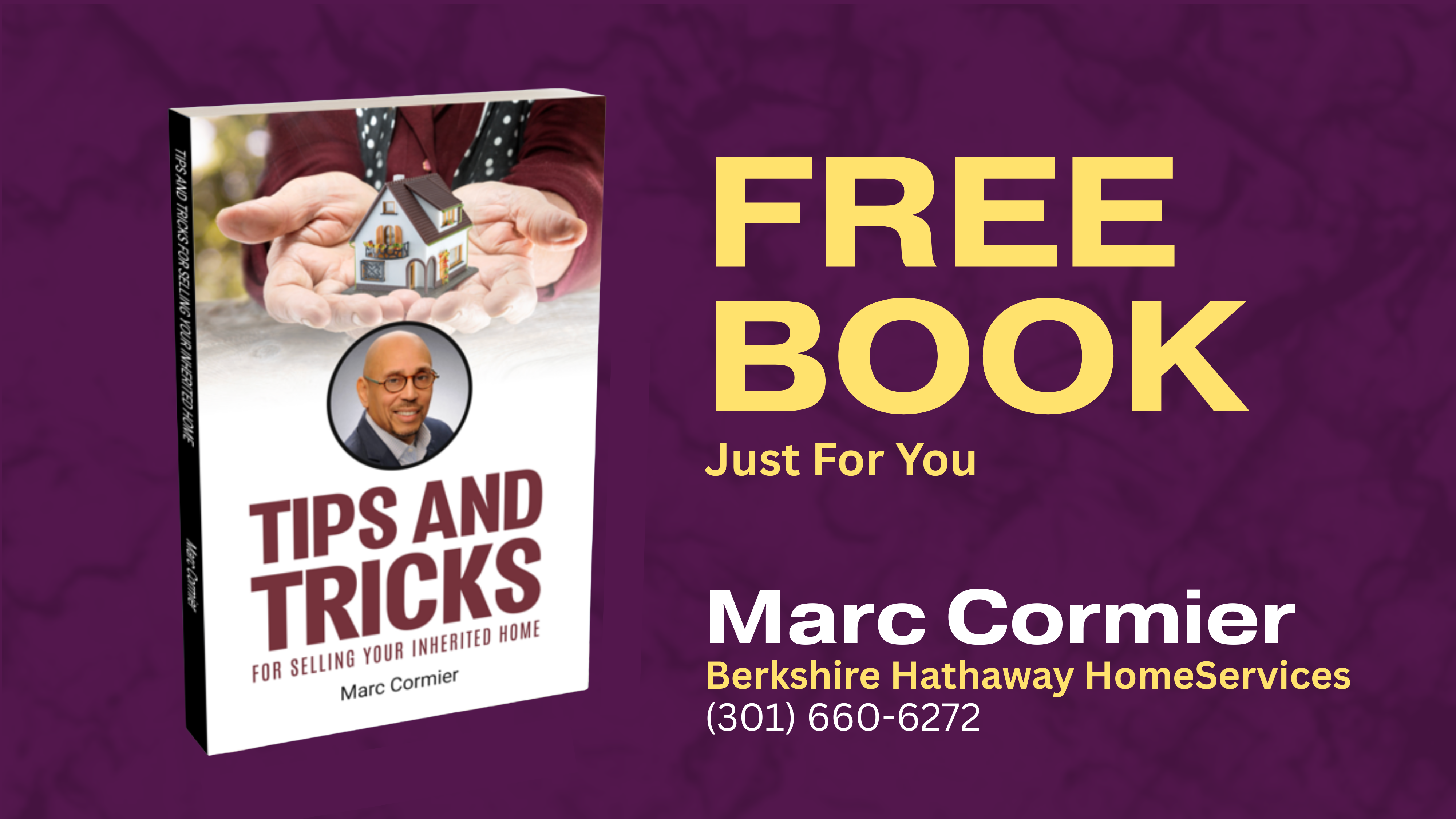
Free Printable Checklist
How to Evaluate a Cash Offer
on a Probate or Inherited Property
Selling a probate property to a cash buyer can be fast and simple, but only if you know what to look for. Not all cash buyers operate the same way. Some offer fair prices with transparent processes. Others use pressure tactics, hidden fees, or contracts that protect the buyer at the seller's expense.
This guide helps you ask the right questions before accepting any cash offer on an inherited or probate property in Maryland. Getting a cash offer on an inherited house is exciting, but rushing to accept can cost you thousands. The complete printable checklist below gives you the tools to evaluate offers with confidence and avoid common pitfalls.
Understanding the Math
How Do Cash Home Buyers Determine Their Offers?
Cash buyers typically calculate offers based on:
After Repair Value (ARV) — what the property would be worth after renovations
Repair costs — estimated cost to fix the property
Holding costs — taxes, insurance, utilities while the buyer holds the property
Desired profit margin — typically 10% to 20% for the buyer
Comparable sales — what similar properties have sold for recently
Red flag: A legitimate cash buyer will explain how they arrived at their number. If they won't walk you through their math, that's a warning sign.
Evaluating Fairness
Is a Cash Offer on an Inherited House Fair?
A fair cash offer accounts for the property's current condition, the local market, and the time and cost savings the seller receives. Cash offers typically come in at 75% to 85% of the property's retail value, but that doesn't mean the seller loses money.
When you factor in:
No agent commissions (typically 5% to 6%)
No repair costs
No staging or cleaning
No months of carrying costs
No risk of financing falling through
Closing in 7 to 14 days instead of 60 to 120
The net proceeds from a cash offer can be comparable to, or better than, a traditional sale after accounting for all costs and time.
Due Diligence Checklist
What Should You Check Before Accepting a Cash Offer?
Before signing anything, verify:
1. Proof of Funds
Ask for a bank statement or letter from the buyer's lender showing they have the cash available. A legitimate buyer will provide this without hesitation.
2. Written Offer
Get the offer in writing with a clear purchase price, closing date, and any contingencies. Verbal promises are not enforceable.
3. Contract Terms
Have an attorney review the purchase contract. Watch for clauses that allow the buyer to reduce the price after inspection, extend closing indefinitely, or cancel without penalty.
4. No Upfront Fees
Legitimate cash buyers do not charge the seller fees upfront. If someone asks for money before closing, walk away.
5. References and Reviews
Check the buyer's reputation. Look for reviews, testimonials, and a track record of completed transactions.
Timeline Expectations
How Quickly Can a Cash Buyer Close?
Most cash buyers can close in 7 to 14 days. Some can close in as few as 5 days if the title is clean and the estate has Letters of Administration. The speed depends on:
- Title company availability
- Whether the estate has legal authority to sell
- Any liens or encumbrances on the property
- Whether all heirs agree to the sale
Cost Considerations
Are There Fees or Commissions with Cash Buyers?
Legitimate cash buyers typically do not charge agent commissions. However, some may charge:
- Transaction fees
- Administrative fees
- Closing cost contributions
Always ask for a complete breakdown of all costs before signing. A reputable buyer will provide a clear, itemized closing statement.
Price Protection
Can a Cash Buyer Change the Price Before Closing?
Some contracts include an "inspection contingency" that allows the buyer to renegotiate after inspecting the property. This is common in cash sales and can result in a lower final price.
To protect yourself:
- Get the offer in writing with a firm price
- Ask whether the offer is "as-is" or subject to inspection
- Have an attorney review the contract before signing
- Understand what happens if the buyer tries to renegotiate
Leverage
Should I Get More Than One Cash Offer?
Yes. Getting multiple cash offers gives you:
- A baseline for what the property is worth in its current condition
- Leverage to negotiate better terms
- A way to identify outliers (offers that are suspiciously high or low)
Warning sign: If a buyer pressures you to accept immediately without comparing, that's a red flag. Most reputable cash buyers expect you to shop around.
Comparison
How Does a Cash Offer Compare with Listing on the Open Market?
| Factor | Cash Sale | Traditional Sale |
|---|---|---|
| Timeline | 7-14 days | 60-120 days |
| Commissions | None | 5-6% |
| Repairs needed | None (as-is) | Usually $10K-$50K |
| Closing costs | Buyer covers most | Seller pays 1-3% |
| Risk of deal falling through | Very low | Moderate (financing, appraisal) |
| Net proceeds | Lower upfront | Potentially higher after costs |
| Certainty | High | Lower |
The right choice depends on your timeline, the property's condition, and your financial needs.
Red Flags
What Are the Warning Signs of a Bad Cash Buyer Offer?
Watch out for:
No proof of funds — legitimate buyers can show they have the money
Pressure to sign immediately — reputable buyers give you time to decide
Upfront fees — never pay anything before closing
Vague contract terms — everything should be in writing
Unwillingness to let an attorney review — a good buyer welcomes legal review
Price that seems too good to be true — it probably is
No online presence or reviews — check their reputation
Key Questions
What Questions Should I Ask a Cash Buyer?
Before accepting any offer, ask:
Can you provide proof of funds?
Is this offer "as-is" or subject to inspection?
What is your closing timeline?
Who pays closing costs?
Are there any fees I'll be responsible for?
Have you bought probate properties before?
Can I see references from past sellers?
What happens if you can't close on the agreed date?
Is the purchase price firm or negotiable after inspection?
Can my attorney review the contract before I sign?
Get the Complete Checklist
Download the Complete Cash Buyer Checklist
This guide covers the key questions. The complete printable checklist includes:
15-question cash buyer evaluation form
Red flag checklist
Offer comparison worksheet
Contract terms to watch for
Step-by-step verification process
Optional
Get these checklists plus a personal walkthrough
Marc Cormier sends a free next-step checklist with his personal walkthrough of your situation. No cost, no obligation, and it never affects your free checklist above.
Optional: also get Marc’s next-step checklist
Frequently Asked Questions
Frequently Asked Questions About Cash Offers on Inherited Property
How do I know if a cash offer on an inherited house is fair?
Should I sell a probate property to a cash buyer?
Are there fees when selling to a cash buyer?
Can a cash buyer change the price before closing?
How quickly can a cash buyer close?
What is proof of funds?
About the Author
About Marc Cormier
Marc Cormier is a licensed real estate professional with Berkshire Hathaway HomeServices PenFed Realty, based in Montgomery County, Maryland. He has 27 years of experience and has sold close to 1,000 homes, with a focus on probate properties, distressed sales, and helping families navigate the estate administration process. He holds the SRES (Seniors Real Estate Specialist) designation and is a Certified Probate Real Estate Specialist (CPRES).
Marc Cormier, Realtor
Berkshire Hathaway HomeServices PenFed Realty
(301) 660-6272
Related Resources
More on Cash Offers and Probate Sales
Cash Offer vs. Listing vs. Renovate: Probate Property Options in Maryland
Compare your options when selling a probate property
Should I Accept a Cash Offer for a Probate House in Maryland?
Evaluate whether a cash offer is the right choice for your situation
Selling a Probate House: A Complete Guide
The full guide to selling probate property in Maryland, DC, and Virginia
How Much Does Probate Cost in Maryland?
Understand the costs involved in the probate process
Executor's Guide to Selling a Probate Property in Maryland
Step-by-step guide for executors managing a probate sale
Need Help?
Need Help Evaluating a Cash Offer?
This guide is a starting point. Every property and estate situation is different. If you have a cash offer on the table and need expert advice on whether to accept it, Marc can help.
Marc Cormier
Maryland Probate Real Estate Specialist
Berkshire Hathaway HomeServices PenFed Realty
(301) 660-6272Legal Disclaimer
The information in this guide is provided for educational purposes only and is not legal, tax, or financial advice. Probate laws vary, and every estate is different. Marc Cormier and Berkshire Hathaway HomeServices PenFed Realty are not acting as your attorneys or accountants. Before making legal decisions regarding an estate, consult with a competent Maryland probate attorney or other qualified professional familiar with your specific circumstances.