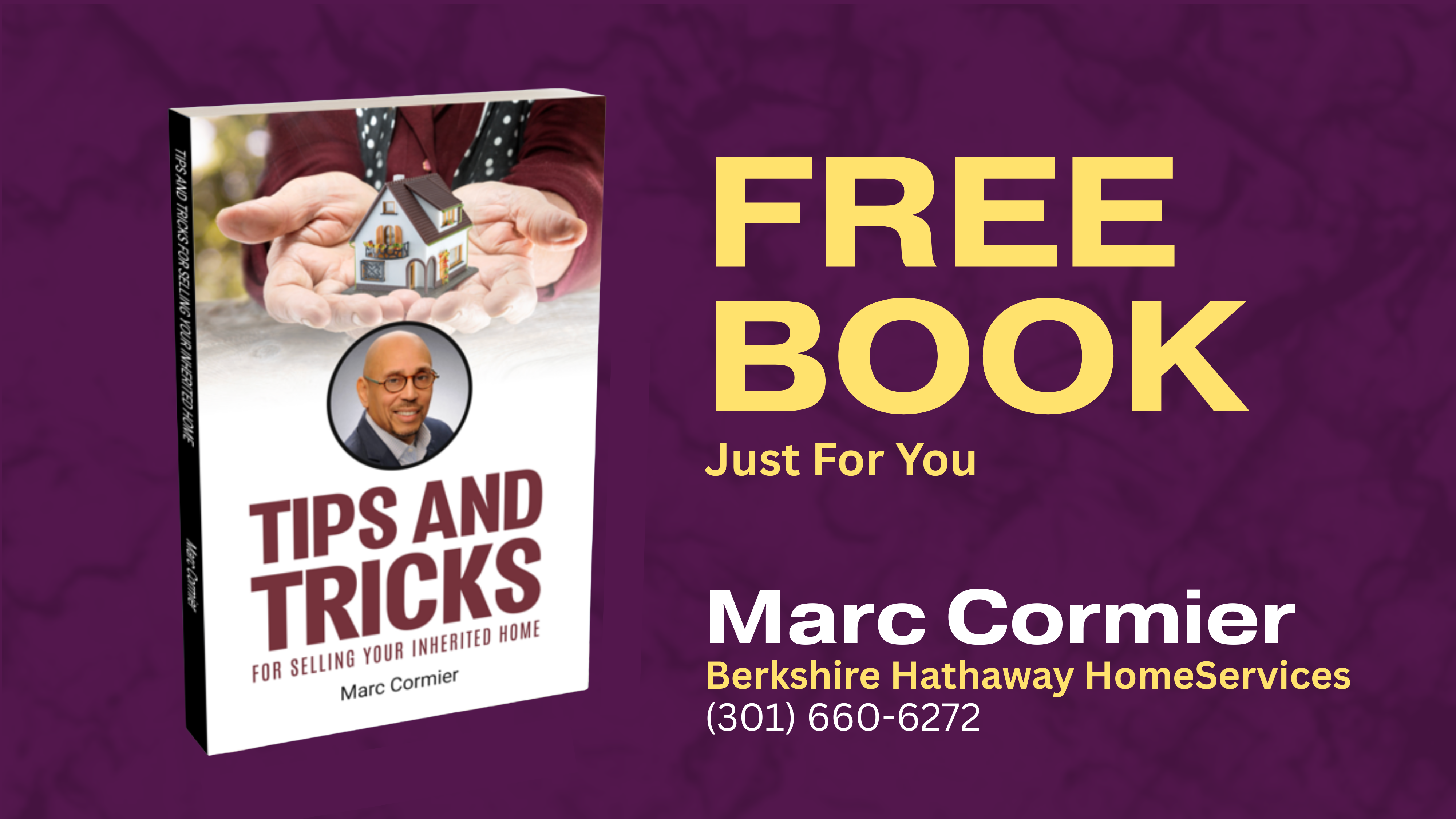
Free Resource for Executors
Maryland Probate Closing Checklist:
What Executors Need to Know
Closing a probate estate in Maryland requires careful tracking of deadlines, documents, and court filings. This guide walks you through every step from the inventory through final discharge.
Whether you are a Personal Representative named in a will or an administrator appointed by the Register of Wills, this checklist helps you avoid costly mistakes and close the estate smoothly. Download the complete printable version after the guide.
Download the Complete ChecklistOverview
What Is a Probate Closing Checklist?
A probate closing checklist is a structured guide that helps executors and Personal Representatives track every step required to close a Maryland probate estate. It covers document preparation, tax filings, asset distribution, court requirements, and final discharge.
Without a checklist, executors commonly miss deadlines, file incomplete paperwork, or distribute assets before the estate is legally cleared. These mistakes can create personal liability for the Personal Representative and delay the estate's closing by months.
This resource consolidates Maryland probate requirements into a single reference, helping you track what needs to happen and when.
Who Should Use This
Who Needs a Probate Closing Checklist?
Personal Representatives named in a will who need to track every filing deadline
Administrators appointed by the Register of Wills when there is no will
Attorneys assisting with estate administration and court filings
Families managing inherited property during the probate process
Out-of-state executors handling a Maryland estate remotely
Before Closing
What Should Happen Before Probate Closes
Before an estate can close, the Personal Representative must complete several key steps. Each step has specific requirements under Maryland law.
File the Inventory
Maryland law requires the Personal Representative to file a sworn inventory of all estate assets with the Register of Wills within three months of appointment. This includes real estate, bank accounts, investments, vehicles, and personal property.
Notify Creditors
The Personal Representative must publish a notice to creditors in a local newspaper and send written notice to known creditors. Creditors typically have four months to file claims against the estate.
Pay Valid Debts and Expenses
All valid creditor claims, estate administration expenses, attorney fees, and court costs must be paid before assets are distributed to heirs.
File Tax Returns
The estate may need to file a federal estate tax return (Form 706), Maryland estate tax return, and the deceased's final personal income tax return (Form 1040). Income taxes on rental income or investment income earned during probate must also be filed.
Manage the Property
The Personal Representative must maintain the property during probate, paying the mortgage, insurance, utilities, property taxes, and making necessary repairs.
Required Documents
Documents Commonly Needed for Probate Closing
Letters of Administration or Letters Testamentary
Sworn Inventory filed with the Register of Wills
Death certificate (certified copies)
Original will (if one exists)
Tax returns filed and receipts showing payment
Receipts for all debts and expenses paid
Accountings filed with the Register of Wills
Deeds transferring property to heirs or buyers
Receipts from heirs acknowledging distribution
Discharge order from the Register of Wills
Closing Day
What Happens on Closing Day
When all requirements are met, the Register of Wills issues a discharge order releasing the Personal Representative from further responsibility. At that point:
- The estate is officially closed
- The Personal Representative is no longer liable for estate administration
- Remaining assets are distributed to heirs according to the will or Maryland intestacy laws
- The property can be transferred, sold, or distributed to beneficiaries
After Closing
What Happens After Probate Closes
After the discharge order, several administrative tasks remain:
Title Transfer
The property title is transferred to the heirs or buyer
Utilities
Utility accounts are closed or transferred
Insurance
Insurance policies are cancelled or transferred
Estate Account
The estate bank account is closed
Records
Final records are maintained for tax purposes
Avoid Delays
Common Mistakes That Delay Probate Closing
Filing the inventory late
The three-month deadline is strict. Late filings can result in penalties and delay the entire probate process.
Missing creditor notification requirements
Newspaper publication is mandatory. Failing to notify creditors properly can leave the estate vulnerable to late claims.
Distributing assets too early
Distributing before all debts are paid creates personal liability for the Personal Representative.
Filing incomplete accountings
The Register of Wills can reject incomplete filings, requiring corrections and causing delays.
Not keeping records
Every payment and distribution needs documentation. Missing records can stall the final accounting.
Ignoring tax obligations
Estate taxes and final income taxes must be filed even if no tax is owed. Missing tax filings can prevent the estate from closing.
Failing to maintain the property
Deterioration during probate reduces property value and creates liability for the Personal Representative.
Timeline & Costs
How Long Does Probate Take in Maryland?
Most Maryland probate estates take 6 to 18 months to close. Simple estates with a clear will, one property, and cooperative heirs can close in 4 to 6 months. Complex estates with creditor claims, multiple properties, or disputes can take two years or longer.
See our complete guideHow Much Does Probate Cost in Maryland?
Probate costs vary based on estate value and complexity. Typical costs include Register of Wills fees, attorney fees, court costs, and property maintenance expenses.
See our complete guideFrequently Asked Questions
Frequently Asked Questions
What is a probate closing checklist?
A probate closing checklist is a structured guide that helps Personal Representatives track every step required to close a Maryland probate estate, from filing the inventory through final discharge.
How long does probate take to close in Maryland?
Most Maryland probate estates take 6 to 18 months to close. Simple estates with a clear will and cooperative heirs can close in 4 to 6 months.
What documents do I need to close probate in Maryland?
Key documents include Letters of Administration, the sworn inventory, death certificates, tax returns, creditor receipts, accountings, and the discharge order from the Register of Wills.
What happens if I distribute assets before probate closes?
Distributing assets before all debts are paid and the estate is formally discharged can create personal liability for the Personal Representative. Wait for the discharge order.
Can I sell a house during probate in Maryland?
Yes. Once the Personal Representative has Letters of Administration, they can list and sell property. The sale can close while probate is still open, with proceeds going to the estate account.
Do I need an attorney to close probate in Maryland?
While not legally required, most Personal Representatives work with a probate attorney to ensure all filings are correct and deadlines are met. The complexity of the estate usually determines whether an attorney is necessary.
Get the Complete Printable Checklist
Get the Complete Printable Probate Closing Checklist
This landing page covers the key concepts. The complete printable checklist includes:
Room-by-room property inventory template
Document tracking checklist with deadlines
Tax filing timeline
Creditor notification requirements
Property maintenance checklist
Closing day checklist
Post-closing tasks
Free Download
Download the Complete Checklist
Enter your information below to download the Maryland Probate Closing Checklist PDF instantly.
Your information is secure. We will never share or sell your data.
Optional
Want the full guide plus a hand?
Marc Cormier sends a free next-step checklist with his personal walkthrough of your situation. No cost, no obligation, and it never affects your free checklist above.
Optional: also get Marc’s next-step checklist
About the Author
Marc Cormier
Realtor • Probate Real Estate Specialist • SRES, CDREE, CDPE, CIPS, RCC, CLHMS
Marc Cormier is a licensed real estate professional with Berkshire Hathaway HomeServices PenFed Realty, based in Montgomery County, Maryland. He has 27 years of experience and has sold close to 1,000 homes, with a focus on probate properties, distressed sales, and helping families navigate the estate administration process. He holds the SRES (Seniors Real Estate Specialist) designation and is a Certified Probate Real Estate Specialist (CPRES).
Sources
Sources and References
- Maryland Register of Wills: probate filing requirements
- Maryland Courts: estate administration procedures
- IRS: estate tax and final income tax filing requirements
Related Resources
More Help Closing Your Probate Estate
Timeline Guide
How Long Does Probate Take in Maryland?
Key milestones and deadlines in the Maryland probate process.
Cost Guide
How Much Does Probate Cost in Maryland?
Court fees, attorney costs, and expenses to budget for.
Executor Guide
Executor Guide to Selling Probate Property
Complete guide for Personal Representatives selling estate property.
Documents Guide
Documents Needed to Sell an Inherited House
Key paperwork required for selling inherited property.
Probate Sales
Selling a Probate House
Complete guide to selling estate property during probate.
Mistakes to Avoid
Common Mistakes Inheriting a Maryland Home
Learn what to avoid when inheriting property in Maryland.
Legal Disclaimer
The information in this checklist is provided for educational purposes only and is not legal, tax, or financial advice. Probate laws vary, and every estate is different. Marc Cormier and Berkshire Hathaway HomeServices PenFed Realty are not acting as your attorneys or accountants. Before making legal decisions regarding an estate, consult with a competent Maryland probate attorney or other qualified professional familiar with your specific circumstances.