Ultimate Guide
Published August 2026 · Last reviewed October 25, 2026 · Marc Cormier
What to do first
- Confirm authority: Letters from the Upper Marlboro Register of Wills.
- Learn Prince George's County procedures and timelines.
- Understand the costs of selling a probate house in the county.
- Work with local title companies and resources.
- Avoid the common mistakes Prince George's County Personal Representatives make.
How to Sell a Probate House in Prince George's County, Maryland
By Marc Cormier
Last reviewed: October 25, 2026
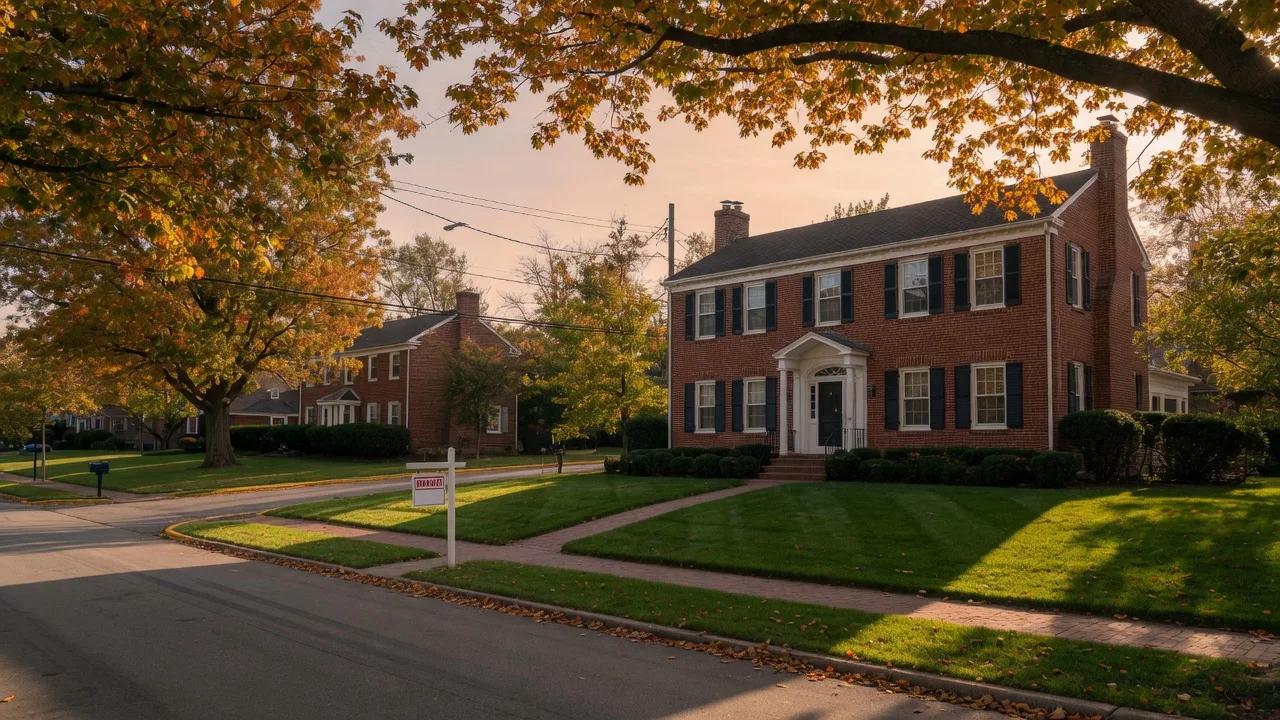
QUICK ANSWER: Selling a probate house in Prince George's County follows the same Maryland probate process, with local specifics. The Prince George's County Register of Wills and Orphans' Court are located at the courthouse in Upper Marlboro. Personal Representative appointment typically takes 30 to 60 days. Full probate can run 9 to 12 months, but a sale can move forward well before that once Letters of Administration or Letters Testamentary are issued. The county's Orphans' Court is composed of three elected judges, and a single judge may preside over a given case rather than the full panel.
Table of Contents
- Understanding Probate in Prince George's County
- Where Probate Is Filed: The Upper Marlboro Register of Wills
- Local Court Procedures and Timelines
- Costs of Selling a Probate House
- Prince George's County Housing Market
- Common Neighborhoods and Their Housing Stock
- Local Title Companies and Resources
- See How Marc Helps Families Sell Inherited Property
- Inherited a Prince George's County Home That Has Been in the Family for Decades?
- Common Mistakes Prince George's County Personal Representatives Make
- Marc's Advice
- Maryland Probate Tip
- Frequently Asked Questions
- Key Takeaways
- Next Steps
Understanding Probate in Prince George's County
If you have been named the Personal Representative of an estate in Prince George's County, or if you are a family member trying to understand what happens next, you are not alone. Many estates go through probate in Prince George's County every year. The process follows Maryland law, but the local court in Upper Marlboro has its own procedures, timelines, and expectations that every Personal Representative should understand.
Probate is the legal process of administering a deceased person's estate. In Prince George's County, this process is handled by two separate but connected offices: the Register of Wills and the Orphans' Court. Understanding the difference between these two bodies and how they interact is the first step toward a smooth probate sale.
The Register of Wills is the administrative office where estate documents are filed, including the will, the death certificate, and the inventory. The Orphans' Court is the judicial body that oversees contested matters, appoints Personal Representatives in certain situations, and approves sales when required.
For a comprehensive overview of the statewide process, see our guide on how to sell a probate property in Maryland.
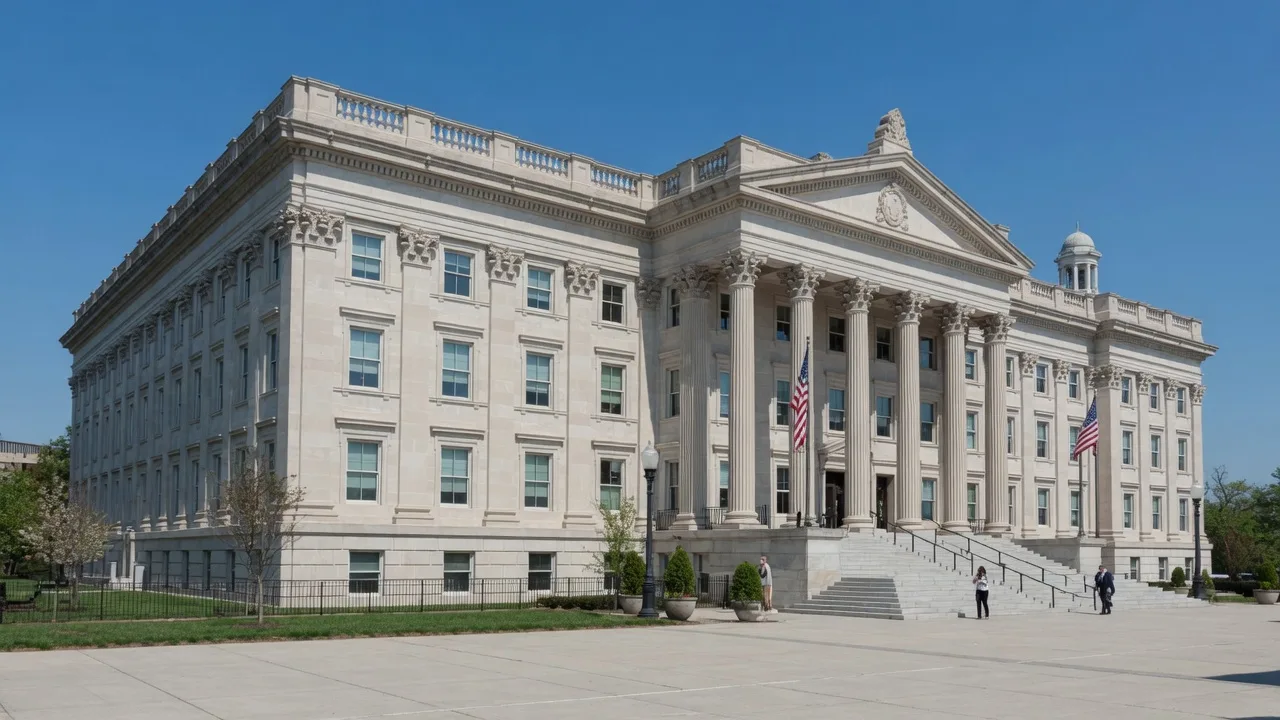
Where Probate Is Filed: The Upper Marlboro Register of Wills
Every probate estate in Prince George's County is filed with the Register of Wills in Upper Marlboro. Regardless of whether the property is located in Bowie, College Park, Clinton, Oxon Hill, or Laurel, the estate must be opened in Prince George's County because that is where the decedent resided at the time of death.
Prince George's County Register of Wills
Address: 14735 Main Street, Room D4001, Upper Marlboro, MD 20772
Phone: 301-952-3250
Hours: Monday through Friday, 8:30 a.m. to 4:30 p.m.
Official source: registers.maryland.gov/Main/princegeorges.html
Prince George's County Orphans' Court
Address: 14735 Main Street, Upper Marlboro, MD 20772
The Orphans' Court is located in the DuVall Wing of the same courthouse complex and handles judicial matters, including contested estates and sale approvals when court involvement is required. The court is composed of three elected judges; under state law, a single judge may preside over a case rather than the full panel. For official information on how the Orphans' Courts are structured, see the Maryland Courts overview of the Orphans' Courts.
Important local information: Per the official Register of Wills website, New Estates and Auditing Division visits require appointments, and visitors should call before coming to the courthouse. Documents cannot be filed by email or fax. Mail must be sent to the office's designated PO Box. Documents may be mailed or delivered using the office's approved procedures. Contact the Register of Wills directly for current instructions. The office can answer procedural questions, but its staff cannot provide legal advice; legal questions should be directed to an attorney.
When you file, you will need the original will (if one exists), a certified death certificate, and the required filing forms. The Register of Wills staff can provide guidance on the forms needed for your specific situation. For a full list of required documents, see our article on what documents you need to sell a probate house in Maryland.
Local Court Procedures and Timelines
Prince George's County's probate court follows the standard Maryland procedures. The Register of Wills in Upper Marlboro administers estates, and the Orphans' Court hears contested matters when court involvement is required. The steps below describe how a typical estate is opened and administered.
Filing the Will
Maryland law requires the person holding the decedent's will to deliver it promptly to the Register of Wills (Maryland Estates and Trusts Article 4-202). There is no fixed 30-day statutory deadline, but filing promptly is strongly recommended: the estate cannot be opened, and a Personal Representative cannot be appointed, until the will is delivered and the filing is reviewed. The person holding the will, typically the named Personal Representative or the decedent's attorney, is responsible for delivering it. See the Register of Wills deadlines page for official guidance.
Appointment of Personal Representative
Once the will is filed and the Register of Wills reviews the documents, the Personal Representative is appointed. In Prince George's County, this typically takes 30 to 60 days, though straightforward estates with a clearly named Personal Representative can move faster. The court issues Letters Testamentary (if there is a will) or Letters of Administration (if there is no will), which give the Personal Representative legal authority to act on behalf of the estate, including selling real estate.
Notice to Creditors
After appointment, the Personal Representative must publish a notice to creditors in a Prince George's County newspaper. This notice gives creditors six months from the date of publication to file claims against the estate. The newspaper must be one that is published in Prince George's County. Common choices include The Washington Post and The Prince George's Sentinel.
Inventory Filing
Within 90 days of appointment, the Personal Representative must file an inventory of the estate's assets with the Register of Wills. This includes the property, which must be appraised at its date-of-death value. The inventory is a public document, so the property's address and appraised value become part of the public record.
Authority to Sell and Court Approval
Maryland law generally gives an appointed Personal Representative the authority to sell estate property, subject to restrictions in the will, court orders, and applicable law. Under Maryland Estates and Trusts Section 7-401, a Personal Representative may sell estate property without a separate court order unless the will or a court order limits that power. Court approval is not required for every probate property sale; it does come up in specific situations, such as a sale to the Personal Representative, a will that restricts sale, or a family dispute. Your probate attorney can confirm what applies to your estate before you list.
Modified Administration and Small Estates
Modified Administration is a simplified procedure for qualifying regular estates. Eligibility is based on the beneficiaries, their consent, the estate's financial condition, and other legal requirements, not simply on the estate's value. See the Register of Wills information on Modified Administration for current requirements.
Maryland's small estate procedure is available when the qualifying estate value is $50,000 or less, or $100,000 or less when the surviving spouse is the sole heir or legatee. Applicable asset-valuation rules determine eligibility, so confirm how the estate's assets are valued under the Register of Wills small estate information.
For more detail on the timeline, see our guide on how long probate takes in Prince George's County.
Costs of Selling a Probate House in Prince George's County
Selling a probate property in Prince George's County involves several costs that the estate must pay. Understanding these costs upfront helps the Personal Representative make informed decisions about pricing and strategy.
Probate Court Fees
Maryland probate fees are set by the published fee schedule and depend on the value of the probate estate. For estates opened on or after October 1, 2022, the published schedule includes:
| Probate Estate Value | Probate Fee |
|---|---|
| Under $50,000 | $0 |
| $50,000 to under $100,000 | $100 |
| $100,000 to under $500,000 | $200 |
| $500,000 to under $1,000,000 | $1,000 |
| $1,000,000 to under $2,500,000 | $2,000 |
| $2,500,000 to under $5,000,000 | $5,000 |
| $5,000,000 to under $7,500,000 | $7,500 |
| $7,500,000 to under $10,000,000 | $10,000 |
| $10,000,000 and over | $10,000 plus 0.02% of the excess |
Additional fees may apply for copies, certifications, and other services, and no probate fee applies to small estates.
See the official complete fee schedule: registers.maryland.gov/main/fees.html. Probate court fees are separate from attorney fees, real estate brokerage commissions, appraisal costs, and closing expenses.
Attorney Fees
Legal fees depend on the services required, the estate's complexity, the fee arrangement agreed with the attorney, and applicable Maryland compensation rules. Maryland law does not automatically give attorneys a fixed percentage of the estate. Fees are governed by the work performed and the governing rules, and they may require court approval or the appropriate written consents. Ask your attorney for a written explanation of the anticipated fees.
Estimated Real Estate Brokerage Fees: 5%–7%
For planning purposes, real estate brokerage fees may range from 5% to 7% of the final sale price. All commissions are negotiable, are not set by law, and depend on the services and terms agreed upon.
Timelines: Estimates, Not Guarantees
Three different clocks matter in a probate sale, and it is worth keeping them separate:
- Time to obtain appointment. The Personal Representative is typically appointed 30 to 60 days after filing, depending on how complete the filing is.
- Time to prepare and sell the property. Marketing, offers, and closing generally follow the same real estate timelines as any sale, once the estate has authority to sell.
- Time to complete estate administration. The estate remains open until debts, taxes, inventory, accounting, and final distribution are completed, which often continues after the sale closes.
These are estimates based on how estates typically proceed, not guarantees. Every estate is different.
Prince George's County Housing Market
Prince George's County, Maryland, had an estimated population of 970,374 residents in July 2025, according to the U.S. Census Bureau.
The county's median home sale price was approximately $449,000 during the three months ending September 2026, according to Redfin.
Homes spent a median of approximately 50 days on the market during that reporting period.
These figures provide general market context. They do not determine what an individual inherited property is worth.
The value of an estate home depends on its location, size, condition, property type, and current buyer demand.
For personal representatives, the most important question is often not simply how much the property could sell for.
It is how much money the estate could receive after repairs, carrying costs, brokerage fees, closing expenses, and other sale-related costs.
Marc Cormier helps families compare their options before making a decision.
Prince George's County's location, with its proximity to Washington DC, Joint Base Andrews, and the University of Maryland, supports steady buyer interest across a wide range of housing types, from older established subdivisions to condominiums and townhomes. Probate properties can attract both owner-occupants and investors, including cash buyers who want to close without a financing contingency. A probate Realtor can help the estate weigh the net result of an as-is sale against a prepared and marketed listing.
To estimate what an estate sale may cost, use the Probate Cost Calculator, or see our article on whether to accept a cash offer for a probate house in Maryland.
Common Neighborhoods and Their Housing Stock
Probate sales can occur in every part of Prince George's County. The communities below are listed with practical information about typical housing styles and common situations to consider. No neighborhood is singled out as having more or fewer probate sales; what matters most is the specific property, its condition, and the goals of the estate.
Bowie
Bowie is one of Prince George's County's largest and most established communities. The housing stock spans split-levels, colonials, and ranches built primarily from the 1960s through the 1990s, with many homes sitting in mature, older subdivisions. Some inherited homes here are well maintained and need little work; others need updates or a full cleanout before they can be marketed. Condominiums and townhomes are also common in parts of the city.
Upper Marlboro
As the county seat, Upper Marlboro has a high concentration of older homes on larger lots, and many properties have been in the same family for decades. Estates here commonly deal with homes that need updating or repair work before sale. Price and marketing strategy should reflect the condition of the specific property rather than the area as a whole.
Laurel (Prince George's Side)
Laurel straddles the border between Prince George's and Howard Counties. The Prince George's County side of Laurel has a mix of older and newer housing stock, including single-family homes, townhomes, and condominiums, with good highway access along the I-95 corridor. Homes with outstanding mortgages and rental or tenant-occupied properties are both situations estates regularly encounter here.
College Park
Home to the University of Maryland, College Park includes post-war bungalows, larger family homes, and a significant supply of rental housing near the campus and Metro stations. Inherited homes in this area may be occupied by tenants, which affects the selling timeline. Investor interest in rental properties is a practical consideration when deciding between an as-is sale and a prepared listing.
Hyattsville
Hyattsville is a close-in community near the DC line with older single-family homes, rowhomes in some older sections, and a growing number of townhomes and condominiums. Many inherited properties here are older and may need updates, and some are tenant-occupied rentals. Buyers in this market often weigh renovation needs against price.
Greenbelt
Greenbelt is known for its planned communities and mid-century housing, including the historic Greenbelt area and a wide range of older homes, townhomes, and condominiums. Estates here frequently deal with original finishes, roofs, and HVAC systems at end of life. Condominium and HOA obligations are a common question, since some properties carry monthly fees that continue during probate.
Clinton
Clinton offers a mix of housing styles, much of it built in the 1960s and 1970s, at accessible price points. Its location near Joint Base Andrews and the Branch Avenue corridor supports a broad buyer pool of owner-occupants and investors. Probate properties here range from move-in ready to homes that need substantial work.
Fort Washington
Fort Washington, along the Potomac River south of the District, has older single-family homes, established subdivisions, and riverfront properties in a range of conditions. Many inherited homes in this area are dated but well constructed, making the as-is versus update decision important to run the numbers on.
Oxon Hill
Oxon Hill, including areas near National Harbor, has mid-century ranches, townhomes, and condominiums in a wide range of conditions. Some estate properties here are in HOA or condominium communities, so the estate should account for continuing fees and any approval requirements. The area's proximity to the District, Virginia, and major employment centers broadens the buyer pool.
Lanham
Lanham, near the county's central corridor, features older established subdivisions with a mix of single-family homes, townhomes, and condominiums. Many probate properties in this area were built in the 1960s through the 1980s and may need updates, cleanouts, or repairs. Rental and tenant-occupied properties are also common, which can affect how and when the estate sells.
Across all of these communities, personal representatives should also consider whether the property is subject to a mortgage or a reverse mortgage, whether it is in an HOA or condominium regime with continuing obligations, and whether it is tenant-occupied. Each of these affects what the sale can net and how long it may take. Marc can walk through these questions for your specific property during a free consultation.
Local Title Companies and Resources
Working with a title company that understands Prince George's County probate procedures can make the difference between a smooth closing and a delayed one. Here are the types of resources to consider when building your probate team.
Title Companies Experienced With Probate
Any title company licensed in Maryland can handle a Prince George's County closing, but experience with probate transactions matters. Look for a title company that regularly works with the Prince George's County land records system and understands the specific documentation required for estate sales. The Prince George's County land records are searchable online, but a title company with local expertise can identify and resolve issues faster. Your probate attorney and Realtor can recommend title companies with strong probate experience in the county.
Probate Attorneys in Prince George's County
Most probate estates benefit from professional legal guidance, and for complicated estates it is especially important. The Prince George's County Bar Association's lawyer referral service can connect you with attorneys who focus on estate administration and probate. When choosing an attorney, ask specifically about their experience with Prince George's County probate sales, as the local Register of Wills and Orphans' Court procedures require familiarity. See our guide on how to choose the best probate attorney.
Register of Wills Resources
The Prince George's County Register of Wills website provides forms, fee schedules, and guidance for Personal Representatives. The staff at the Upper Marlboro office can also answer procedural questions, though they cannot provide legal advice. Note that documents cannot be filed by email or fax; filings must be mailed or delivered using the office's approved procedures. Call ahead before visiting, since New Estates and Auditing Division visits require appointments.
Property Appraisers
A certified appraiser is required for the estate inventory. In Prince George's County, appraisers who specialize in estate work understand the specific requirements of the probate inventory and can provide the necessary documentation. Your Realtor can recommend appraisers who regularly handle estate work in the county.
Get an Instant Offer on Your Property
See what your Prince George's County property is worth as-is, with no obligation. Compare the cash offer against what a strategic renovation could bring. That single step protects you more than anything else you can do in this process.
Get Instant OfferSee How Marc Helps Families Sell Inherited Property
Marc published a verified case study of a Washington, DC probate sale in which a California Personal Representative inherited a childhood home in the District. Cash offers on the property ranged from $190,000 to $235,000; instead of taking a cash offer, Marc managed the renovation and staging, and the prepared home sold for $473,500, with reported net proceeds of $371,788 after commissions and renovation costs. These figures are as reported by the client for that single property. Outcomes depend on the property, the market, and the estate's circumstances, so this case is not a guarantee of results for any other property. Read the full case study.
Inherited a Prince George's County Home That Has Been in the Family for Decades?
Many Prince George's County families inherit homes that were purchased 20, 30, or even 40 years ago.
A property may have substantial equity but still need repairs, updating, or a major cleanout before it can be marketed.
Some inherited homes have older kitchens, bathrooms, roofs, and HVAC systems.
Others have been well maintained and need very little work.
Before the estate spends money, it is important to compare the options.
Option 1: Sell As-Is
Sell the home in its current condition. This may reduce preparation expenses and shorten the selling process, but the estate may receive a lower price.
Option 2: Make Targeted Improvements
Consider cleaning, painting, flooring, landscaping, and other work that could improve buyer appeal. Evaluate projected costs and net proceeds before starting.
Option 3: Complete a Larger Renovation
For certain properties, more substantial improvements may produce a better financial result. However, renovation expenses, carrying costs, financing, and market risks must be considered.
How Marc Helps
Marc Cormier has 27+ years of real estate experience and approximately 1,000 homes sold.
He specializes in probate and estate property sales, including homes needing cleanouts, repairs, staging, and marketing.
Marc can help personal representatives evaluate:
- Current as-is market value.
- Estimated value after improvements.
- Repair and preparation costs.
- Cash offers.
- Traditional MLS sale options.
- Estimated net proceeds.
The goal is to help the estate make an informed decision while reducing the work required of the Personal Representative.
Get Your Free Probate Value Analysis™
Before selling an inherited home, understand what it may be worth today, what repairs could cost, and which selling option may leave the estate with the most money.
Get Your Free Probate Value AnalysisCommon Mistakes Prince George's County Personal Representatives Make
Drawing on years of Maryland probate experience, here are the most common mistakes Personal Representatives make in Prince George's County.
- Delaying delivery of the will. Maryland law requires the person holding the will to deliver it promptly to the Register of Wills. There is no fixed 30-day statutory deadline, but the estate cannot move forward until the will is delivered, so file as soon as possible.
- Not reviewing the will for sale restrictions. Under Maryland law a Personal Representative holds a statutory power to sell, but a will that restricts sale or a court order can change that. Read the will carefully and ask your attorney whether anything limits your authority to sell.
- Underinsuring the vacant property. Standard homeowner's insurance may not cover a vacant home. In Prince George's County, where properties can sit vacant for months during probate, a gap in insurance coverage can be devastating.
- Delaying the inventory appraisal. The 90-day inventory deadline catches many Personal Representatives off guard. Schedule the date-of-death appraisal early, even if you are not ready to sell yet.
- Overlooking the smaller estate option. If the qualifying estate value is $50,000 or less, or $100,000 or less when the surviving spouse is the sole heir or legatee, the estate may qualify for small estate administration under the applicable asset-valuation rules. This simplified process can save time and money.
- Trying to handle everything alone. Prince George's County probate involves specific procedures that change over time. Working with an experienced probate attorney and Realtor saves time, money, and stress.
- Overpricing the property. Prince George's County buyers are well-informed and price-sensitive. An overpriced probate property can sit on the market for months, costing the estate carrying costs and eventual price reductions that exceed what a correct initial price would have been.
- Ignoring the condition issues. Probate properties often need work. Ignoring obvious problems or refusing to address inspection issues during negotiations can kill a deal. Be realistic about the property's condition and price accordingly.
- Not communicating with the heirs. Heirs who feel left in the dark are more likely to become adversarial. Keep beneficiaries informed throughout the process, even when the news is not what they want to hear.
Marc's Advice
Marc Cormier has 27+ years of real estate experience and approximately 1,000 homes sold, with extensive work on probate and estate property sales throughout Maryland, including Prince George's County communities such as Bowie, College Park, Upper Marlboro, Clinton, Oxon Hill, and Laurel. His advice to every Personal Representative starts here: understand how Prince George's County's process works before you begin.
The county's Orphans' Court is composed of three elected judges, and a single judge may preside over a given case. Whatever the structure, your filings need to be thorough, accurate, and well-supported from the start, and any question about court involvement should be raised with your probate attorney early.
Prince George's County's market offers strong opportunities for probate sellers. The county's affordability relative to Washington DC and Montgomery County creates a broad pool of buyers. But probate properties face unique challenges: vacant homes show poorly, outdated finishes can turn off buyers, and complicated family dynamics can delay decisions. An experienced probate Realtor helps you navigate each of these challenges before they become problems.
You do not have to navigate this process alone. Marc helps Personal Representatives work through every step, from the initial consultation to the closing table and the distribution of proceeds.
Maryland Probate Tip
Maryland Probate Tip
If the Prince George's County probate property is the decedent's primary residence and has significant equity, consider whether the surviving spouse (if applicable) should file an elective share or claim a spousal allowance before the property is sold. These elections can affect the net proceeds available to other heirs and may have tax implications. Always consult your probate attorney before making decisions about how proceeds will be distributed. Elections like these can involve substantial sums depending on the property's value.
If This Were My Family...
If this were my family dealing with a probate sale in Prince George's County, I would start by getting organized before anything else. I would locate the will, gather the death certificates, and deliver them promptly to the Register of Wills in Upper Marlboro, not put it off. I would meet with a probate attorney immediately to understand my duties and deadlines, and specifically to confirm that nothing in the will or a court order limits my authority to sell. I would call a probate Realtor before I made any decisions about repairs or pricing, not after I had already decided what to do. I would get the date-of-death appraisal scheduled the same week I received my Letters of Administration. And I would make sure every filing is complete and accurate the first time, because well-prepared filings reduce the chance of requests for correction and delay. The families who approach Prince George's County probate with organization and the right team are the ones who get through it with less stress, less conflict, and more money for the estate.
Frequently Asked Questions
Where do I file probate in Prince George's County?
All Prince George's County probate matters are filed with the Register of Wills at 14735 Main Street, Room D4001, Upper Marlboro, MD 20772 (phone 301-952-3250). The Orphans' Court is located in the DuVall Wing of the same courthouse complex. New Estates and Auditing Division visits require appointments, so call ahead.
How long does it take to get appointed Personal Representative in Prince George's County?
Personal Representative appointment in Prince George's County typically takes 30 to 60 days from the date of filing. Straightforward estates with a clearly named Personal Representative and a well-prepared filing can sometimes move faster. This is an estimate, not a guarantee.
Can I sell an inherited house during probate in Prince George's County?
Yes, in most cases. Once the Register of Wills issues Letters of Administration or Letters Testamentary, the Personal Representative has authority to sell the property, and the sale does not have to wait for the estate to be fully closed. The sale proceeds become part of the estate and are distributed after debts and expenses are paid. Whether your specific estate can sell now is a question for your probate attorney. See our articles on selling before probate is finished and the legal steps to sell a probate house.
Do I need court approval to sell a probate property in Prince George's County?
Usually no. Under Maryland Estates and Trusts Section 7-401, a Personal Representative generally sells estate property without a separate court order unless the will, a court order, or applicable law limits that power. Court approval does come up in specific situations, such as a sale to the Personal Representative, a will that restricts sale, or a family dispute. This is a legal question; confirm with the estate attorney before you list.
What is the difference between the Register of Wills and the Orphans' Court?
The Register of Wills is the administrative office that processes filings, issues Letters of Administration, and maintains estate records. The Orphans' Court is a judicial body that hears contested matters, appoints Personal Representatives in certain situations, and approves sales when required.
Does Prince George's County use a single-judge Orphans' Court?
The Prince George's County Orphans' Court is composed of three elected judges. Under state law, a single judge may preside over a case rather than the full panel. Court structure by itself does not guarantee a faster result; timelines depend on the estate's filings and circumstances. Official overview: mdcourts.gov/orphanscourt.
How long does a typical probate sale take in Prince George's County?
Appointment of the Personal Representative typically takes 30 to 60 days. After that, marketing and closing generally follow the same real estate timelines as any sale, and full estate administration continues until debts, taxes, inventory, accounting, and distribution are complete. Timelines vary by estate; see our detailed guide on how long probate takes in Prince George's County.
How do I find a probate attorney in Prince George's County?
The Prince George's County Bar Association offers a lawyer referral service. Ask your Realtor, title company, or financial advisor for recommendations. Look for an attorney who regularly handles estate administration in Prince George's County and understands the local Register of Wills and Orphans' Court procedures.
Should I sell the probate house as-is or make repairs in Prince George's County?
Whether selling as-is or making repairs makes sense depends on the property's condition, location, and buyer demand. Well-priced as-is properties can sell to renovation buyers, while targeted updates may produce a better net result in other cases. Compare the estimated net proceeds on both scenarios before the estate spends money.
Are there cash buyers for probate properties in Prince George's County?
Yes. Prince George's County has an active market of cash buyers, including investors, renovation specialists, and families relocating from Washington DC. Cash offers can eliminate financing contingencies but are often below what a marketed listing can bring. See our article on accepting cash offers for probate houses for more guidance.
What if the estate has an existing mortgage?
The mortgage typically must be paid off from the sale proceeds at closing, and the title company orders a payoff statement from the lender. If the property is worth less than the loan balance, the lender may need to approve a short sale or the estate may need to negotiate. Whether the estate must keep making payments, and how the lender will respond, are legal and lender questions; a Realtor can show you how the payoff affects the estate's net proceeds.
Can an executor sell a home while someone is living in it?
Yes, generally. Once appointed, the Personal Representative has authority to sell an estate property even if someone lives in it, but the occupant's legal rights matter. A surviving spouse or heir may have rights under Maryland law, and a tenant has lease and notice rights. Whether and when an occupant must move is a legal question for the estate attorney. See our guide on whether someone can live in an inherited house during probate.
What happens if the estate cannot afford repairs?
The estate is not required to renovate before selling. If it cannot afford repairs, common options include selling the property as-is to a buyer who will handle the work, negotiating with the lender if the property is financed, or asking beneficiaries whether they are willing to advance funds. Compare the estimated net proceeds for each option before spending estate money. See our guide on selling a probate house that needs major repairs.
Can one heir buy the probate property in Prince George's County?
Yes, but the transaction must be at fair market value and may require court approval. Appraisals and arm's-length negotiation protect both the Personal Representative and the other heirs, and the Orphans' Court will scrutinize any sale involving a family member to ensure it is fair.
How are sale proceeds distributed in a Prince George's County probate?
After closing, the proceeds go into the estate account. The Personal Representative pays estate debts, expenses, and taxes before distributing remaining funds to beneficiaries according to the will or Maryland's intestacy laws if there is no will.
Does Prince George's County have a small estate option?
Yes. If the qualifying estate value is $50,000 or less, or $100,000 or less when the surviving spouse is the sole heir or legatee, the estate may qualify for small estate administration under the applicable asset-valuation rules. This simplified process can save significant time and legal fees. Ask your attorney whether your estate qualifies.
What if the property has a reverse mortgage?
Reverse mortgages generally become due when the last borrower dies. The lender must be notified and given the opportunity to demand payment, and the payoff is handled at closing. Because lender deadlines can pressure the estate, act quickly and get legal guidance. See our article on reverse mortgage probate in Maryland for guidance.
Can an out-of-state Personal Representative sell a house in Prince George's County?
Yes. An out-of-state Personal Representative can administer a Maryland estate and sell real property in Prince George's County. Maryland law may require a nonresident Personal Representative to appoint a resident agent for service of process and to meet qualification requirements. The exact requirements are a legal question for a Maryland probate attorney. On the real estate side, a local Realtor handles the pricing, marketing, and sale.
Key Takeaways
- Deliver the will promptly. Maryland law requires the will to be delivered promptly to the Register of Wills. There is no fixed 30-day deadline, but the estate cannot move forward until it is filed, so do not delay.
- Review the will for sale restrictions. Under Maryland law the Personal Representative holds a statutory power to sell, but a will restriction, a sale to the Personal Representative, or a family dispute can bring the court in and add time to the process.
- Know the Orphans' Court structure. The county's Orphans' Court has three elected judges, and a single judge may preside over a case. Plan for the possibility of court involvement rather than assuming an automatic fast track.
- You can sell before probate closes. Once Letters of Administration or Letters Testamentary are issued, you have authority to sell. The full probate process can continue after the sale.
- The market is price-sensitive. Prince George's County buyers are well-informed. Price competitively from day one.
- Build your team early. A probate attorney, Realtor, and title company who know Prince George's County procedures will save you time and stress.
- Consider the small estate option. If the qualifying estate value is $50,000 or less, or $100,000 or less with a surviving spouse as sole heir, small estate administration can be faster and simpler than full probate.
What Happens Next
What Happens Next
You now know the Prince George's County probate sale process from start to finish. The next step is to take action. Here is exactly what to do:
- 1. Locate the will and death certificate and deliver them promptly to the Register of Wills in Upper Marlboro to open the estate.
- 2. Meet with a probate attorney to understand your duties and confirm nothing in the will or a court order limits your authority to sell.
- 3. Contact a probate Realtor to evaluate the property and discuss your options.
- 4. Use the Probate Cost Calculator to estimate what the sale may cost and compare your selling options.
- 5. Communicate openly with all heirs and keep them informed throughout the process.
Marc has helped families across Maryland navigate probate sales, and he can help yours too. Let's talk about your situation.
Get Your Free Probate Value Analysis
Before selling an inherited home, understand what it may be worth today, what repairs could cost, and which selling option may leave the estate with the most money. Marc Cormier offers a free consultation about your Prince George's County probate property.
Want to learn more? Browse our complete library of probate real estate guides or visit our main Guide to Probate for more information. You may also find these resources helpful:
- Selling a Probate House: Complete Hub : The starting point for selling an inherited home in Maryland.
- How to Sell a Probate Property in Maryland : The statewide overview of the probate sale process.
- How Long Does Probate Take in Prince George's County? : Detailed timeline for PG County probate.
- What Are the Legal Steps to Sell a Probate House in Maryland? : Step-by-step legal requirements.
- What Documents Do You Need to Sell a Probate House in Maryland? : Complete document checklist.
- Choosing the Right Title Company for a Maryland Probate Sale : How to select a title company with probate experience.
- Personal Representative Guide : Duties, deadlines, and responsibilities of the estate's Personal Representative.
- Estate Property Management : Protecting and maintaining the property while the estate is open.
- Fix and Sell Service : Repair, staging, and sale support for estate homes that need work.
- Probate FAQs : Direct answers to the most common probate questions.
- Probate Cost Calculator : Estimate the costs and net proceeds of an estate sale.
- Schedule a Free Probate Value Analysis : Compare selling options for your specific property with Marc.